Analytical Chemistry

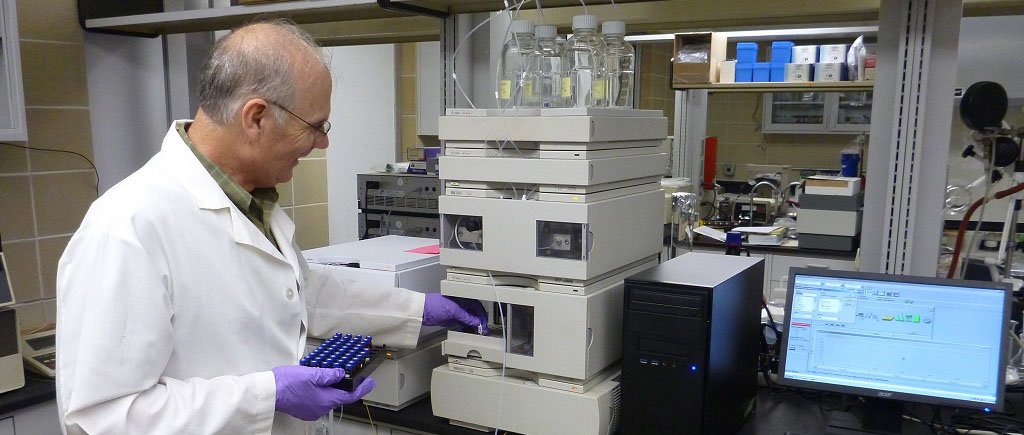
USGS scientist operating a high-performance liquid chromatography (HPLC) system in a laboratory

HPLC Method Development Case Studies: Practical Examples

HPLC method development case studies are most useful when they show how analytical goals, sample matrices and evidence shape practical decisions. This guide presents three illustrative scenarios for pharmaceutical quality control and method troubleshooting. They are teaching examples, not published case reports; no patient, product or performance outcome is claimed. For a real project, define

HPLC Method Development Case Studies: Practical Examples Read More »

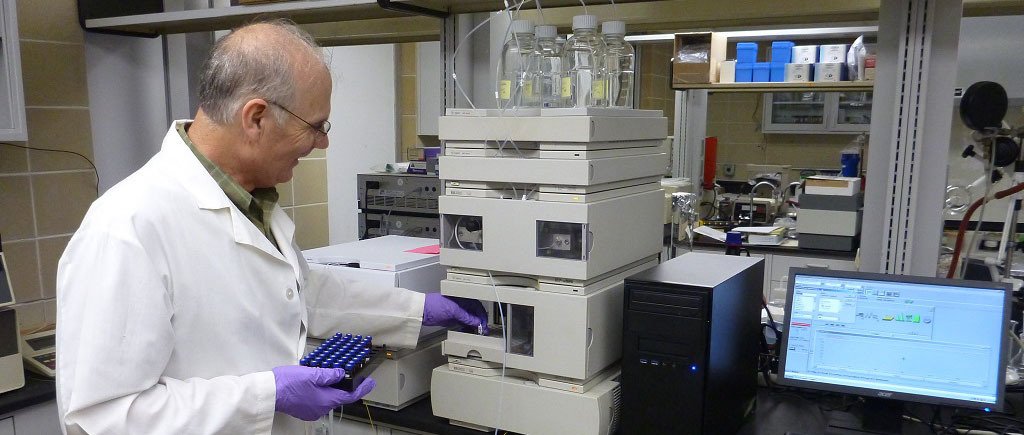
USGS scientist operating a high-performance liquid chromatography (HPLC) system in a laboratory

HPLC Method Development for Environmental Analysis: Practical Guide

HPLC method development for environmental analysis begins with a defined analyte, sample matrix and decision the data must support. A fit-for-purpose method can measure selected organic contaminants in water, soil, sediment or wastewater, but no single HPLC method detects every pollutant. This guide explains how environmental laboratories plan sample handling, separation, detection and quality controls

HPLC Method Development for Environmental Analysis: Practical Guide Read More »

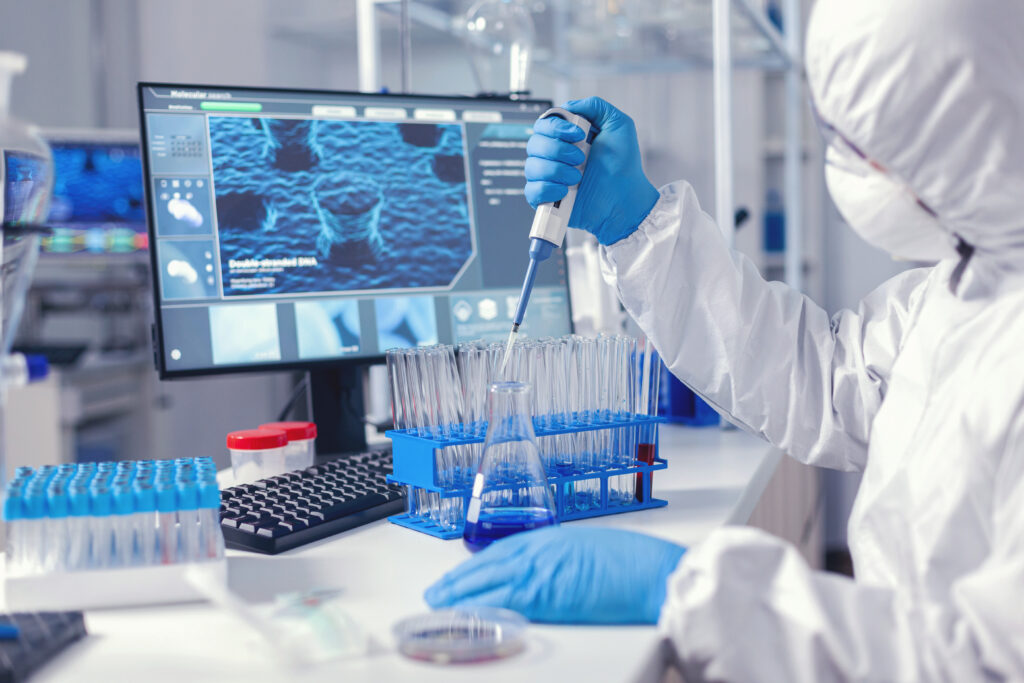
HPLC detector equipment in a pharmaceutical quality-control laboratory

HPLC Detectors: 7 Essential Types and How to Choose

HPLC detectors convert compounds leaving the column into a measurable signal. For pharmaceutical analysis, choosing an HPLC detector depends on the analyte’s physical and chemical properties, the method’s purpose, required sensitivity, sample matrix and mobile-phase conditions. This guide compares common detector types and gives a practical selection framework for QC and analytical laboratories. What an

HPLC Detectors: 7 Essential Types and How to Choose Read More »

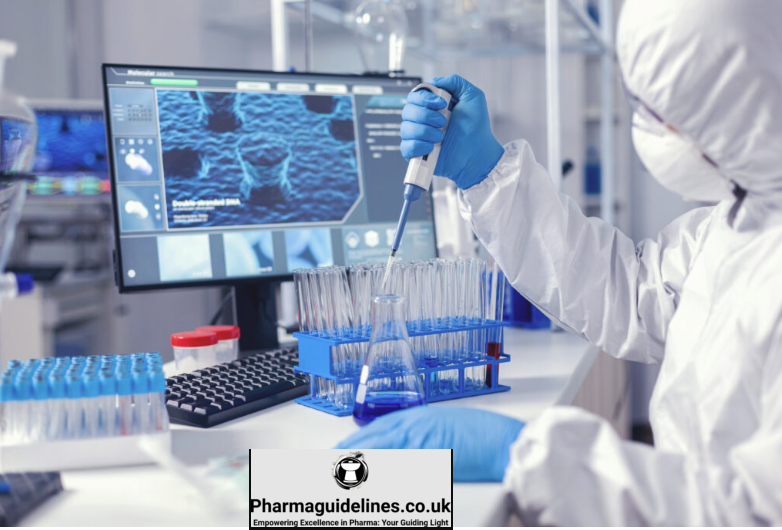
HPLC detector equipment in a pharmaceutical quality-control laboratory

Gradient vs. Isocratic HPLC: A Practical Guide

The choice of gradient vs. isocratic HPLC depends on the separation you need, the sample matrix and the intended use of the analytical procedure. In isocratic HPLC, mobile-phase composition stays constant. In gradient HPLC, it changes according to a programmed profile. This guide compares the two modes and gives a practical selection workflow for pharmaceutical

Gradient vs. Isocratic HPLC: A Practical Guide Read More »