Environmental Monitoring

Standard Operating Procedure (SOP) for Temperature and Humidity Control

Standard Operating Procedure: Temperature and Humidity Control

This Standard Operating Procedure (SOP) provides detailed guidelines for the effective monitoring and control of temperature and humidity levels in [specific area or equipment]. It includes procedures for equipment setup, regular monitoring, maintenance, corrective actions, emergency response, and documentation to ensure optimal environmental conditions. This SOP is essential for maintaining the quality and integrity of sensitive materials and processes.

Standard Operating Procedure: Temperature and Humidity Control Read More »

Standard Operating Procedure for Environmental Monitoring

Standard Operating Procedure for Environmental Monitoring

A comprehensive Standard Operating Procedure (SOP) for Environmental Monitoring, covering air and water quality, noise levels, and waste management. This SOP outlines responsibilities, monitoring parameters, procedures, data analysis, corrective actions, training, record management, and review processes to ensure compliance with regulatory standards and environmental protection.

Standard Operating Procedure for Environmental Monitoring Read More »

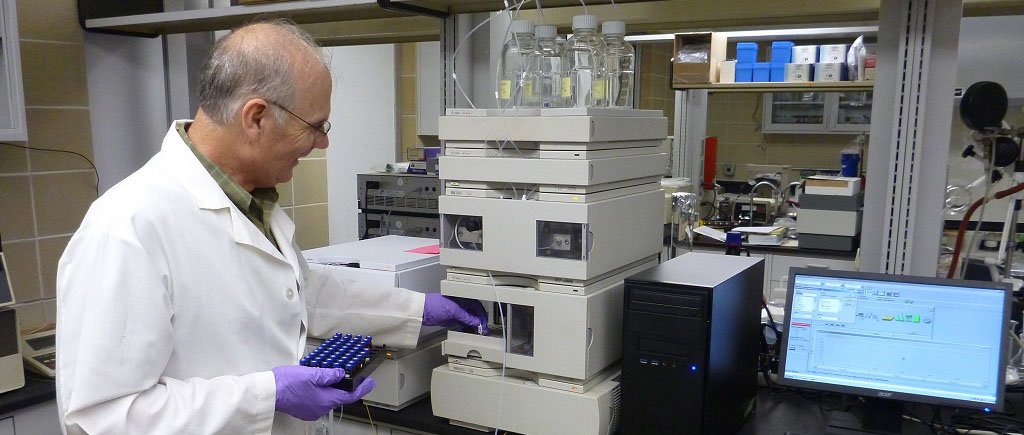
USGS scientist operating a high-performance liquid chromatography (HPLC) system in a laboratory

HPLC Method Development for Environmental Analysis: Practical Guide

HPLC method development for environmental analysis begins with a defined analyte, sample matrix and decision the data must support. A fit-for-purpose method can measure selected organic contaminants in water, soil, sediment or wastewater, but no single HPLC method detects every pollutant. This guide explains how environmental laboratories plan sample handling, separation, detection and quality controls

HPLC Method Development for Environmental Analysis: Practical Guide Read More »