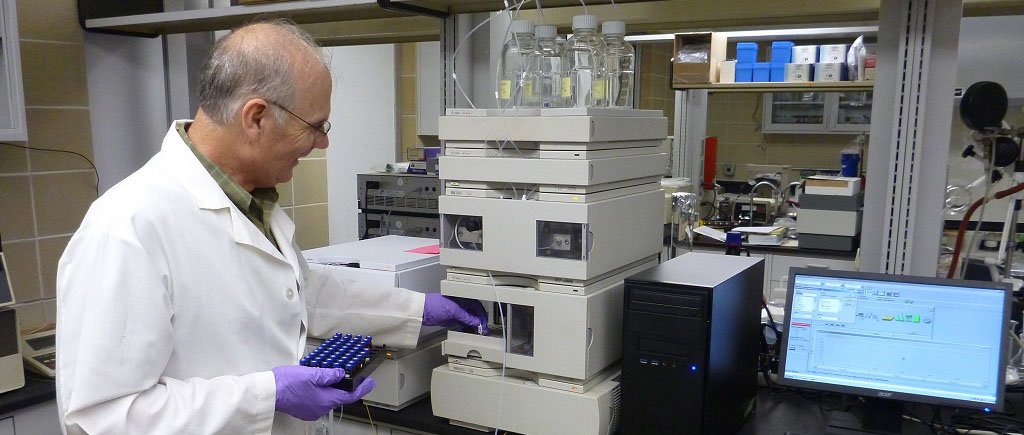
HPLC detector equipment in a pharmaceutical quality-control laboratory

HPLC Detectors: 7 Essential Types and How to Choose

HPLC detectors convert compounds leaving the column into a measurable signal. For pharmaceutical analysis, choosing an HPLC detector depends on the analyte’s physical and chemical properties, the method’s purpose, required sensitivity, sample matrix and mobile-phase conditions. This guide compares common detector types and gives a practical selection framework for QC and analytical laboratories. What an

HPLC Detectors: 7 Essential Types and How to Choose Read More »

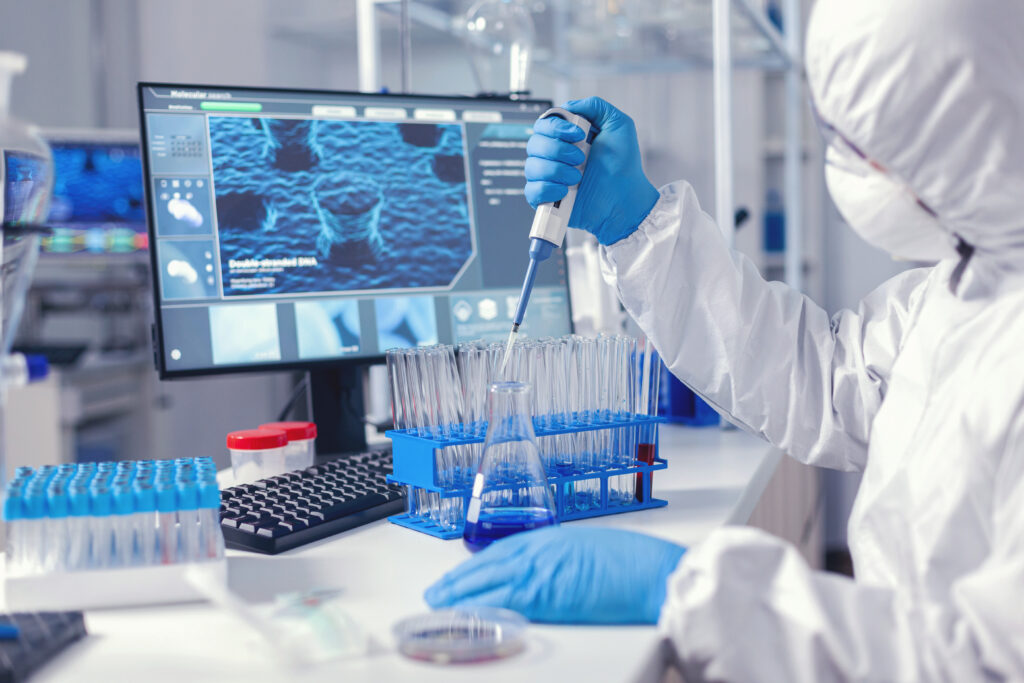
HPLC detector equipment in a pharmaceutical quality-control laboratory

Gradient vs. Isocratic HPLC: A Practical Guide

The choice of gradient vs. isocratic HPLC depends on the separation you need, the sample matrix and the intended use of the analytical procedure. In isocratic HPLC, mobile-phase composition stays constant. In gradient HPLC, it changes according to a programmed profile. This guide compares the two modes and gives a practical selection workflow for pharmaceutical

Gradient vs. Isocratic HPLC: A Practical Guide Read More »

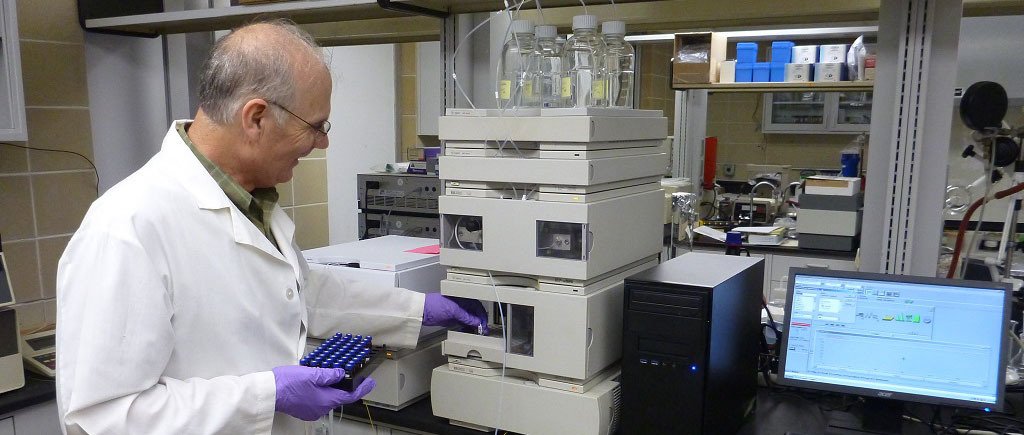
HPLC detector equipment in a pharmaceutical quality-control laboratory

HPLC Method Optimization: Key Parameters and Practical Guide

HPLC method optimization is the structured adjustment of chromatographic conditions to achieve a reliable, fit-for-purpose separation. For pharmaceutical analysis, the objective is not simply a shorter run or sharper peak: the procedure must meet its intended performance needs and remain reproducible for the analysts, instruments, samples and lifecycle stage in which it will be used.

HPLC Method Optimization: Key Parameters and Practical Guide Read More »