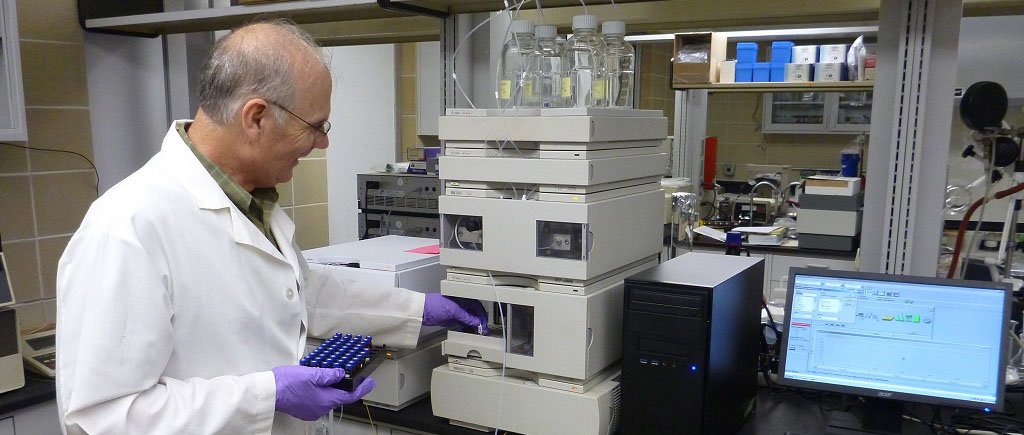
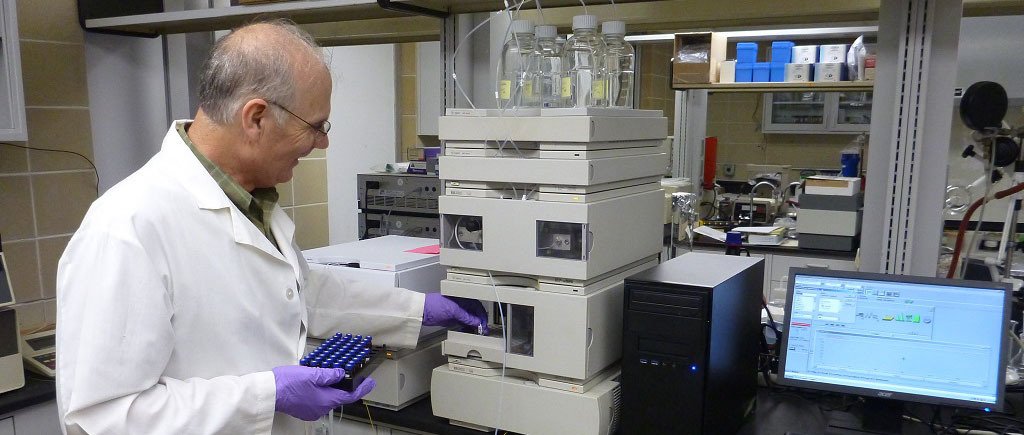
USGS scientist operating a high-performance liquid chromatography (HPLC) system in a laboratory

HPLC Method Development Case Studies: Practical Examples

HPLC method development case studies are most useful when they show how analytical goals, sample matrices and evidence shape practical decisions. This guide presents three illustrative scenarios for pharmaceutical quality control and method troubleshooting. They are teaching examples, not published case reports; no patient, product or performance outcome is claimed. For a real project, define

HPLC Method Development Case Studies: Practical Examples Read More »

USGS scientist operating a high-performance liquid chromatography (HPLC) system in a laboratory

Bioanalytical HPLC Method Development: ICH M10 Practical Guide

Bioanalytical HPLC method development creates a fit-for-purpose procedure to measure a drug, metabolite or biomarker in a defined biological matrix. For nonclinical and clinical drug studies, the FDA-adopted ICH M10 guideline provides harmonised recommendations for method validation and study-sample analysis. This practical guide outlines how to define the assay, develop sample preparation and chromatography, validate

Bioanalytical HPLC Method Development: ICH M10 Practical Guide Read More »

HPLC detector equipment in a pharmaceutical quality-control laboratory

HPLC Method Development for Food and Beverage Analysis: Practical Guide

HPLC method development for food and beverage analysis starts with a defined analyte, food matrix and decision the result must support. A method for vitamins in juice may not be suitable for preservatives in soft drinks or contaminants in oils. This practical guide covers analytical goals, sample preparation, chromatographic conditions, validation, quality control and regulatory

HPLC Method Development for Food and Beverage Analysis: Practical Guide Read More »

USGS scientist operating a high-performance liquid chromatography (HPLC) system in a laboratory

HPLC Method Development for Environmental Analysis: Practical Guide

HPLC method development for environmental analysis begins with a defined analyte, sample matrix and decision the data must support. A fit-for-purpose method can measure selected organic contaminants in water, soil, sediment or wastewater, but no single HPLC method detects every pollutant. This guide explains how environmental laboratories plan sample handling, separation, detection and quality controls

HPLC Method Development for Environmental Analysis: Practical Guide Read More »

USGS scientist operating a high-performance liquid chromatography (HPLC) system in a laboratory

HPLC Method Development for Pharmaceutical Analysis: A GMP Guide

HPLC method development for pharmaceutical analysis is a planned, evidence-based process for creating a chromatographic procedure that is fit for its intended use. This guide explains how pharmaceutical QC and analytical development teams can define the method objective, select chromatographic conditions, prepare samples, evaluate performance and document decisions within the site quality system. Educational scope:

HPLC Method Development for Pharmaceutical Analysis: A GMP Guide Read More »

USGS scientist operating a high-performance liquid chromatography (HPLC) system in a laboratory

HPLC Method Development: 5 Practical Steps for Pharma QC

HPLC method development is the planned design and evaluation of chromatographic conditions so an analytical procedure can meet a defined purpose. For pharmaceutical quality control, development should produce a selective, reliable and practical method supported by documented evidence—not simply a chromatogram that looks acceptable in one trial. Educational scope: This article is a technical planning

HPLC Method Development: 5 Practical Steps for Pharma QC Read More »