HPLC

HPLC detector equipment in a pharmaceutical quality-control laboratory

HPLC Method Development for Food and Beverage Analysis: Practical Guide

HPLC method development for food and beverage analysis starts with a defined analyte, food matrix and decision the result must support. A method for vitamins in juice may not be suitable for preservatives in soft drinks or contaminants in oils. This practical guide covers analytical goals, sample preparation, chromatographic conditions, validation, quality control and regulatory

HPLC Method Development for Food and Beverage Analysis: Practical Guide Read More »

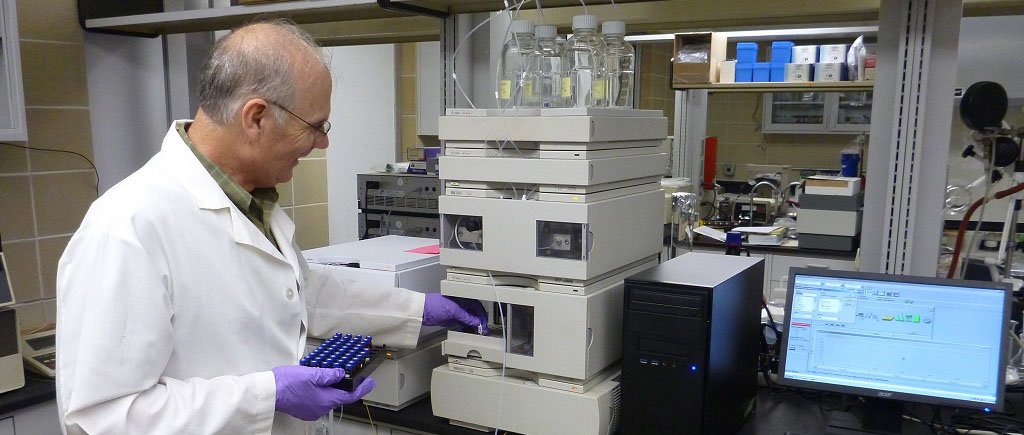
USGS scientist operating a high-performance liquid chromatography (HPLC) system in a laboratory

HPLC Method Development for Environmental Analysis: Practical Guide

HPLC method development for environmental analysis begins with a defined analyte, sample matrix and decision the data must support. A fit-for-purpose method can measure selected organic contaminants in water, soil, sediment or wastewater, but no single HPLC method detects every pollutant. This guide explains how environmental laboratories plan sample handling, separation, detection and quality controls

HPLC Method Development for Environmental Analysis: Practical Guide Read More »

USGS scientist operating a high-performance liquid chromatography (HPLC) system in a laboratory

HPLC Method Development for Pharmaceutical Analysis: A GMP Guide

HPLC method development for pharmaceutical analysis is a planned, evidence-based process for creating a chromatographic procedure that is fit for its intended use. This guide explains how pharmaceutical QC and analytical development teams can define the method objective, select chromatographic conditions, prepare samples, evaluate performance and document decisions within the site quality system. Educational scope:

HPLC Method Development for Pharmaceutical Analysis: A GMP Guide Read More »

USGS scientist operating a high-performance liquid chromatography (HPLC) system in a laboratory

HPLC Method Development: 5 Practical Steps for Pharma QC

HPLC method development is the planned design and evaluation of chromatographic conditions so an analytical procedure can meet a defined purpose. For pharmaceutical quality control, development should produce a selective, reliable and practical method supported by documented evidence—not simply a chromatogram that looks acceptable in one trial. Educational scope: This article is a technical planning

HPLC Method Development: 5 Practical Steps for Pharma QC Read More »

HPLC detector equipment in a pharmaceutical quality-control laboratory

HPLC Detectors: 7 Essential Types and How to Choose

HPLC detectors convert compounds leaving the column into a measurable signal. For pharmaceutical analysis, choosing an HPLC detector depends on the analyte’s physical and chemical properties, the method’s purpose, required sensitivity, sample matrix and mobile-phase conditions. This guide compares common detector types and gives a practical selection framework for QC and analytical laboratories. What an

HPLC Detectors: 7 Essential Types and How to Choose Read More »

HPLC detector equipment in a pharmaceutical quality-control laboratory

Gradient vs. Isocratic HPLC: A Practical Guide

The choice of gradient vs. isocratic HPLC depends on the separation you need, the sample matrix and the intended use of the analytical procedure. In isocratic HPLC, mobile-phase composition stays constant. In gradient HPLC, it changes according to a programmed profile. This guide compares the two modes and gives a practical selection workflow for pharmaceutical

Gradient vs. Isocratic HPLC: A Practical Guide Read More »

HPLC detector equipment in a pharmaceutical quality-control laboratory

HPLC Method Optimization: Key Parameters and Practical Guide

HPLC method optimization is the structured adjustment of chromatographic conditions to achieve a reliable, fit-for-purpose separation. For pharmaceutical analysis, the objective is not simply a shorter run or sharper peak: the procedure must meet its intended performance needs and remain reproducible for the analysts, instruments, samples and lifecycle stage in which it will be used.

HPLC Method Optimization: Key Parameters and Practical Guide Read More »