Method Development

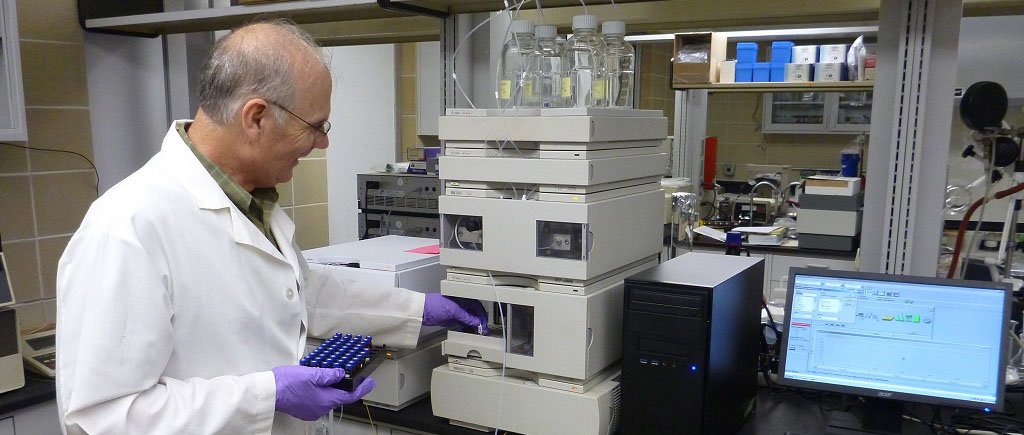
USGS scientist operating a high-performance liquid chromatography (HPLC) system in a laboratory

Bioanalytical HPLC Method Development: ICH M10 Practical Guide

Bioanalytical HPLC method development creates a fit-for-purpose procedure to measure a drug, metabolite or biomarker in a defined biological matrix. For nonclinical and clinical drug studies, the FDA-adopted ICH M10 guideline provides harmonised recommendations for method validation and study-sample analysis. This practical guide outlines how to define the assay, develop sample preparation and chromatography, validate

Bioanalytical HPLC Method Development: ICH M10 Practical Guide Read More »

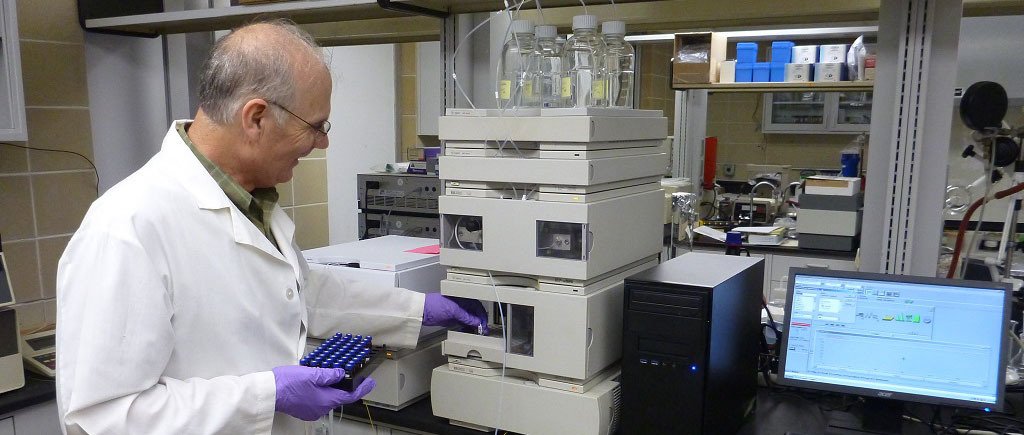
USGS scientist operating a high-performance liquid chromatography (HPLC) system in a laboratory

HPLC Method Development for Pharmaceutical Analysis: A GMP Guide

HPLC method development for pharmaceutical analysis is a planned, evidence-based process for creating a chromatographic procedure that is fit for its intended use. This guide explains how pharmaceutical QC and analytical development teams can define the method objective, select chromatographic conditions, prepare samples, evaluate performance and document decisions within the site quality system. Educational scope:

HPLC Method Development for Pharmaceutical Analysis: A GMP Guide Read More »

USGS scientist operating a high-performance liquid chromatography (HPLC) system in a laboratory

HPLC Method Development: 5 Practical Steps for Pharma QC

HPLC method development is the planned design and evaluation of chromatographic conditions so an analytical procedure can meet a defined purpose. For pharmaceutical quality control, development should produce a selective, reliable and practical method supported by documented evidence—not simply a chromatogram that looks acceptable in one trial. Educational scope: This article is a technical planning

HPLC Method Development: 5 Practical Steps for Pharma QC Read More »

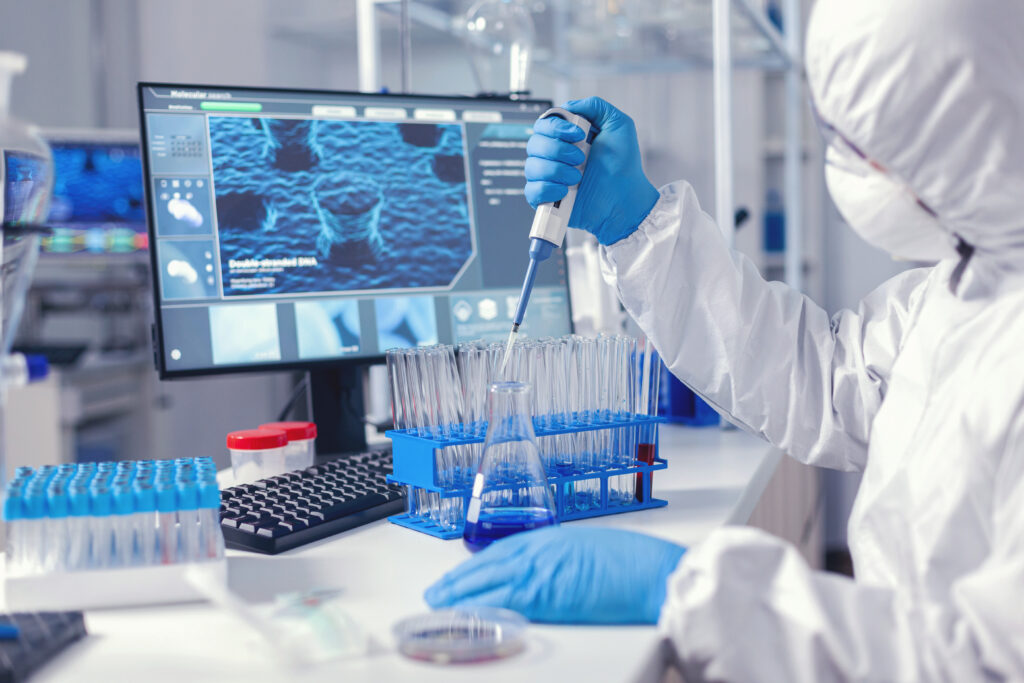
HPLC detector equipment in a pharmaceutical quality-control laboratory

Gradient vs. Isocratic HPLC: A Practical Guide

The choice of gradient vs. isocratic HPLC depends on the separation you need, the sample matrix and the intended use of the analytical procedure. In isocratic HPLC, mobile-phase composition stays constant. In gradient HPLC, it changes according to a programmed profile. This guide compares the two modes and gives a practical selection workflow for pharmaceutical

Gradient vs. Isocratic HPLC: A Practical Guide Read More »