GLP-1 medicines are changing how many people think about appetite and weight management. As these treatments become more visible, a second conversation is growing: what should people eat when they feel full sooner or eat less? The answer is not a branded “GLP-1 diet.” It is making the nutrition that does fit count.
Why “companion nutrition” is trending
Interest in food products marketed for GLP-1 users has surged alongside medicines such as semaglutide and tirzepatide. Some products emphasize protein, fibre, hydration or smaller portions. These themes reflect practical concerns, but product marketing is not the same as clinical evidence—and no snack or supplement replaces a prescriber’s advice.
When appetite is reduced, smaller meals may make it harder to get enough fluids and a varied mix of nutrients. A recent joint advisory on nutrition during GLP-1 treatment discusses protein, hydration, nutrient adequacy and strategies for gastrointestinal symptoms. It is a helpful clinical overview, while evidence for individual recommendations continues to develop.
What a more useful plate can look like
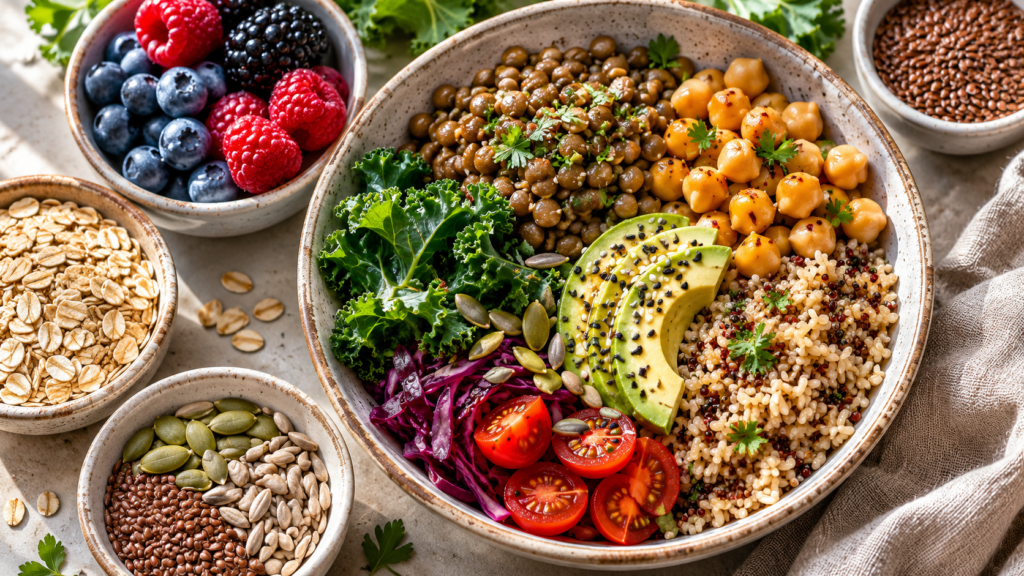
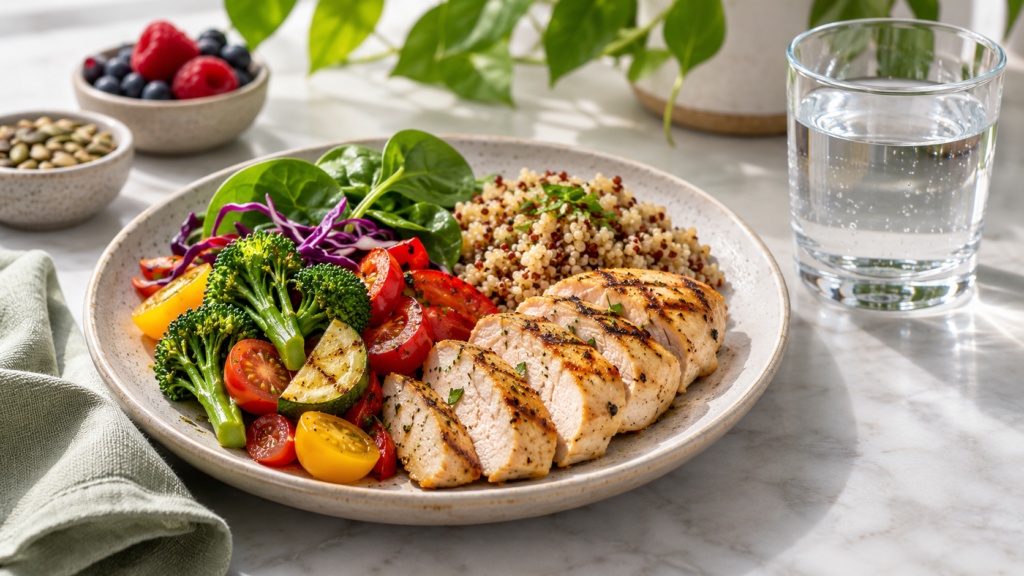
Rather than chasing a “GLP-1-friendly” label, build meals around foods that are practical and tolerated. Include a source of protein, such as eggs, yoghurt, fish, tofu, beans or lentils; add vegetables or fruit and a fibre-containing carbohydrate where comfortable; and sip fluids regularly. If a large meal feels difficult, smaller portions more often may be easier.
Some people experience nausea, constipation, diarrhoea or other digestive effects. A sudden jump in fibre can make discomfort worse for some, so gradual changes and individual tolerance matter. Persistent or severe symptoms deserve a conversation with the prescribing team. Do not change a medicine dose or stop treatment based on a food trend.
Supplements and “GLP-1 support” claims: read carefully
There is no single supplement proven to prevent every nutrition gap for people using these medicines. Protein powders, electrolyte drinks, fibre products and multivitamins have different purposes; whether one is appropriate depends on diet, health and the product itself. Be cautious of claims that a food “boosts GLP-1,” mimics a prescription medicine or guarantees weight loss.
In the UK, GLP-1 medicines are prescription treatments with specific safety information. Anyone using them should follow the instructions from their clinician and consult a pharmacist or prescriber before adding supplements, especially when taking other medicines or managing a medical condition.
Five grounded habits to discuss with your care team
- Prioritise a varied, nutrient-dense diet over products with dramatic promises.
- Choose protein foods that fit your appetite and preferences.
- Increase fibre gradually and pay attention to digestive comfort.
- Keep fluids accessible throughout the day.
- Seek tailored advice if intake is persistently low or symptoms continue.
The opportunity for functional foods is real: convenient options may help people meet everyday needs. The evidence standard should stay just as clear—supportive nutrition can complement clinical care, but it cannot replace it.
Sources and further reading
- MHRA: GLP-1 medicines for weight loss and diabetes—what you need to know
- Nutritional priorities to support GLP-1 therapy for obesity: a joint advisory
This article is for general information and is not a substitute for personalised medical advice.