A study published in Nature Medicine on 5 November 2026 examined how diet and lifestyle relate to gut microbes and health. Using gut metagenomic profiles from 6,803 adults in Japan’s 4D cohort, researchers identified two contrasting microbiome-linked patterns. The study adds detail to the conversation around functional foods—but it should not be read as proof that any single food or supplement prevents disease.

Two contrasting microbiome-linked patterns
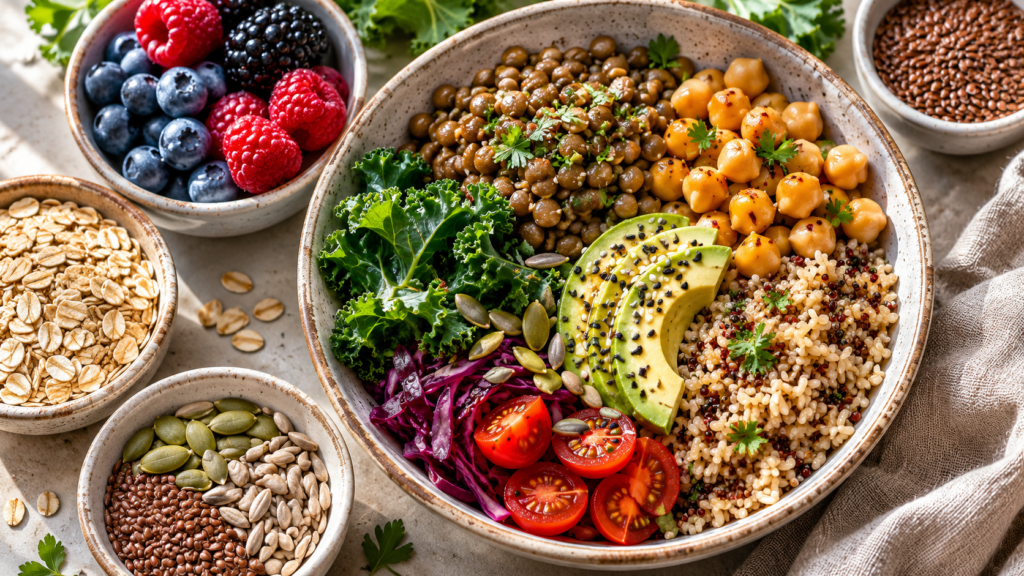
One pattern, associated with health, was enriched in microbial pathways that process dietary components and was linked with intake of plant-based foods, soy and dairy. A contrasting pattern was associated with refined carbohydrates and sedentary behaviour and included more oral-associated bacteria and potentially harmful microbes. The authors examined relationships with 15 diseases, but their statistical findings do not establish that altering a person’s microbiome will produce the same changes in disease risk.
An important finding about fermented foods
The researchers reported that microorganisms used as starter cultures in fermented foods did not show statistically significant mediation of the observed health effects. That should not be turned into the claim that fermented foods are useless. It means the proposed microbiome mechanism was not supported in this analysis; nutritional and other mechanisms may still matter.
What this means for functional-food claims
For companies selling gut-health supplements or microbiome-friendly products, this study underlines a difference between finding an association and testing a product’s effects in a randomised trial. Specific health claims require evidence for the preparation and outcome being marketed. The research does not single out a probiotic capsule, mushroom drink or fermented snack as a proven therapy.
How to read the results responsibly
- Study population and dietary patterns affect how widely findings may generalise.
- Microbiome associations are not the same as causal interventions.
- A broad dietary pattern cannot be reduced to one branded ingredient.
- Established nutrition principles remain more dependable than microbiome-based promises from untested products.
The emerging scientific story is more nuanced than a good-bacteria-versus-bad-bacteria headline. It involves diets, lifestyles, microbial functions and health outcomes that need careful interpretation together.
Source
This article is informational and is not a substitute for personalised dietary or medical advice.