Quality control

Standard Operating Procedure (SOP) for Finished Product Testing

Standard Operating Procedure (SOP) for Finished Product Testing

Our detailed Standard Operating Procedure (SOP) outlines the systematic process for conducting finished product testing, ensuring quality and compliance before distribution. Covering sample collection, preparation, physical, chemical, and microbiological testing, along with documentation and training, it’s a comprehensive guide for maintaining product quality standards.

Standard Operating Procedure (SOP) for Finished Product Testing Read More »

standard operating procedure for change control

Standard Operating Procedure for Change Control

A meta description is a brief summary or snippet that describes the content of a webpage. It typically appears below the title tag in search engine results pages (SERPs) and provides users with a concise preview of what they can expect if they click on the link. It’s important for SEO purposes as it can influence a user’s decision to click through to your website. A well-crafted meta description should be informative, relevant, and enticing, encouraging users to engage with your content.

Standard Operating Procedure for Change Control Read More »

"Navigating Risk: Insights from Pharmaceutical QC Professionals through Interviews"

“Navigating Risk: Insights from Pharmaceutical QC Professionals through Interviews”

Explore the nuances of risk management in Pharmaceutical Quality Control (QC) through interviews with industry professionals. Gain insights into risk identification, assessment, and mitigation strategies, along with challenges and future trends shaping the dynamic landscape of QC. Stay informed to ensure product safety and compliance in the evolving pharmaceutical industry.

“Navigating Risk: Insights from Pharmaceutical QC Professionals through Interviews” Read More »

Continuous Improvement in Quality Control: Unveiling Success through Effective Interviewing

Continuous Improvement in Quality Control: Unveiling Success through Effective Interviewing

“Elevate your quality control processes with Continuous Improvement strategies. Discover the importance, benefits, and practical insights through our comprehensive guide. Unlock a culture of excellence and innovation in your organization. Learn how to implement and navigate the journey toward sustained success in Quality Control.”

Continuous Improvement in Quality Control: Unveiling Success through Effective Interviewing Read More »

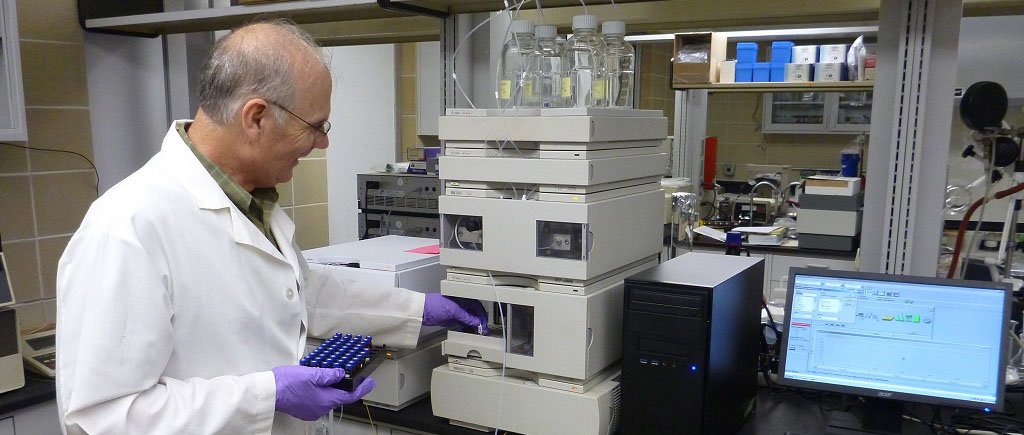
USGS scientist operating a high-performance liquid chromatography (HPLC) system in a laboratory

Bioanalytical HPLC Method Development: ICH M10 Practical Guide

Bioanalytical HPLC method development creates a fit-for-purpose procedure to measure a drug, metabolite or biomarker in a defined biological matrix. For nonclinical and clinical drug studies, the FDA-adopted ICH M10 guideline provides harmonised recommendations for method validation and study-sample analysis. This practical guide outlines how to define the assay, develop sample preparation and chromatography, validate

Bioanalytical HPLC Method Development: ICH M10 Practical Guide Read More »

USGS scientist operating a high-performance liquid chromatography (HPLC) system in a laboratory

HPLC Method Development for Environmental Analysis: Practical Guide

HPLC method development for environmental analysis begins with a defined analyte, sample matrix and decision the data must support. A fit-for-purpose method can measure selected organic contaminants in water, soil, sediment or wastewater, but no single HPLC method detects every pollutant. This guide explains how environmental laboratories plan sample handling, separation, detection and quality controls

HPLC Method Development for Environmental Analysis: Practical Guide Read More »

USGS scientist operating a high-performance liquid chromatography (HPLC) system in a laboratory

HPLC Method Development for Pharmaceutical Analysis: A GMP Guide

HPLC method development for pharmaceutical analysis is a planned, evidence-based process for creating a chromatographic procedure that is fit for its intended use. This guide explains how pharmaceutical QC and analytical development teams can define the method objective, select chromatographic conditions, prepare samples, evaluate performance and document decisions within the site quality system. Educational scope:

HPLC Method Development for Pharmaceutical Analysis: A GMP Guide Read More »

USGS scientist operating a high-performance liquid chromatography (HPLC) system in a laboratory

HPLC Method Development: 5 Practical Steps for Pharma QC

HPLC method development is the planned design and evaluation of chromatographic conditions so an analytical procedure can meet a defined purpose. For pharmaceutical quality control, development should produce a selective, reliable and practical method supported by documented evidence—not simply a chromatogram that looks acceptable in one trial. Educational scope: This article is a technical planning

HPLC Method Development: 5 Practical Steps for Pharma QC Read More »