Turmeric’s yellow colour is instantly recognisable. Its move from kitchen ingredient to concentrated supplement brings a harder question: what do human studies actually establish about benefit and risk? Research on joint symptoms offers some promise, while liver injury reports make sweeping “natural and safe” claims difficult to defend.
This evidence feature, reviewed on 4 November 2026, examines existing research and safety information. It is not an announcement that turmeric has been approved to treat arthritis or another disease.
Where the benefit signal comes from
A 2025 systematic review and network meta-analysis examined turmeric preparations in knee osteoarthritis. It reported potential benefits for symptoms, but the certainty of evidence remained low. Different preparations and study methods complicate comparisons.
The US National Center for Complementary and Integrative Health similarly describes early knee osteoarthritis evidence as encouraging but says higher-quality research is needed. It does not consider the evidence sufficient to establish turmeric or curcumin as beneficial for health purposes generally.
Why the formulation matters
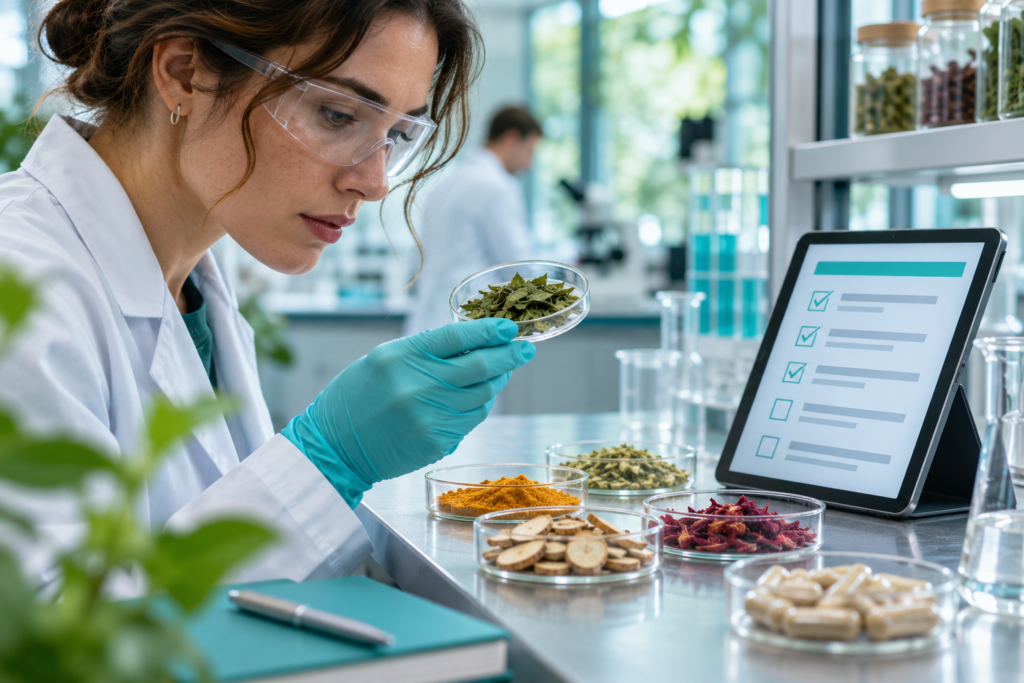
Curcumin is one of turmeric’s principal constituents. Supplements can contain different concentrations and may use ingredients or delivery systems designed to increase absorption. A finding for one extract cannot be transferred automatically to another capsule, a topical cream or a serving of food.
Greater absorption is a pharmaceutical property, not a guarantee of a better benefit–risk balance. Product comparisons need to consider exposure, clinical outcomes and adverse effects together. A label emphasising bioavailability answers only one part of that assessment.
The safety issue behind the wellness image
NCCIH notes digestive adverse effects and reports of liver damage with some products designed for increased bioavailability. The NIH LiverTox review also documents clinically apparent liver injury associated with turmeric products. Such injury appears rare, but can be serious.
Jaundice, dark urine, poor appetite, nausea or unusual fatigue while taking a turmeric supplement warrant stopping the product and prompt medical advice. People taking medicines, or who have liver problems, should seek professional advice before using concentrated supplements.
What the evidence means for readers
Possible improvement in joint symptoms does not establish cartilage repair, disease reversal or cancer prevention. Culinary use and concentrated supplementation involve different exposures and should not be assumed equivalent. The most defensible conclusion is that turmeric deserves further research, with product-specific efficacy and safety assessed together.
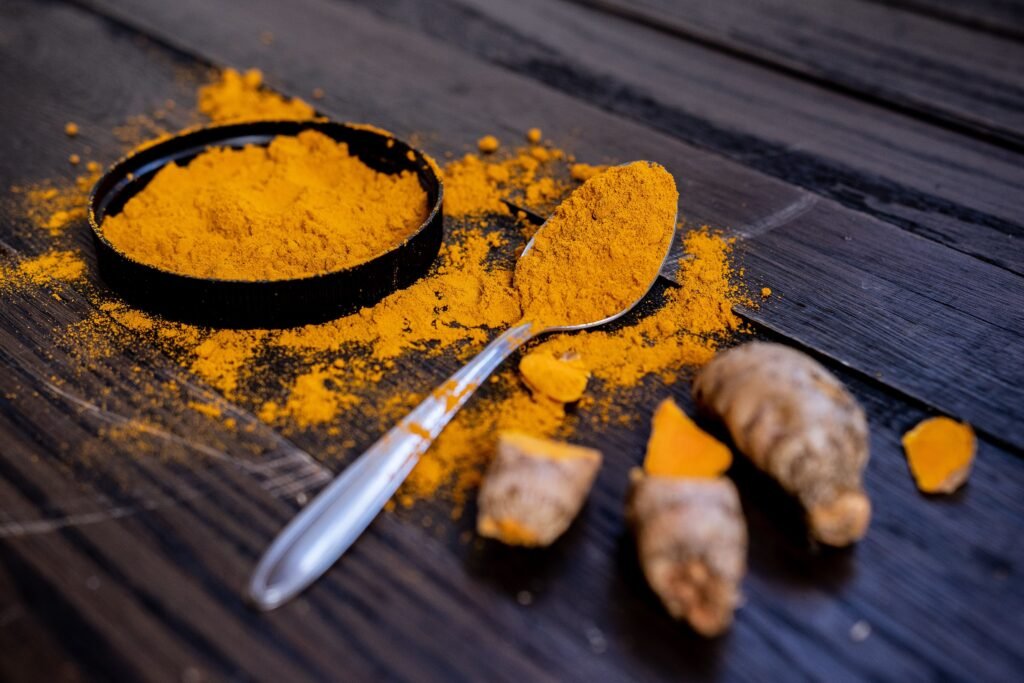
Photo: Karl Solano / Pexels. Culinary turmeric photograph for illustration.