A November 2026 systematic review and meta-analysis of polyphenol supplementation in metabolic syndrome found a mixed picture—not the sweeping benefits often suggested in supplement marketing.
What was analysed
The researchers identified 20 independent trials across six polyphenol interventions. Fifteen trials contributed to 38 outcome-specific pooled analyses covering curcumin, resveratrol, anthocyanin-rich foods and catechin preparations.
The headline results
Curcumin was associated with higher HDL cholesterol, with a mean difference of 5.01 mg/dL, but certainty for that finding was rated very low. A catechin analysis suggested a lower BMI, although the result depended on assumptions and drew on only two small trials.
What did not show consistent benefit
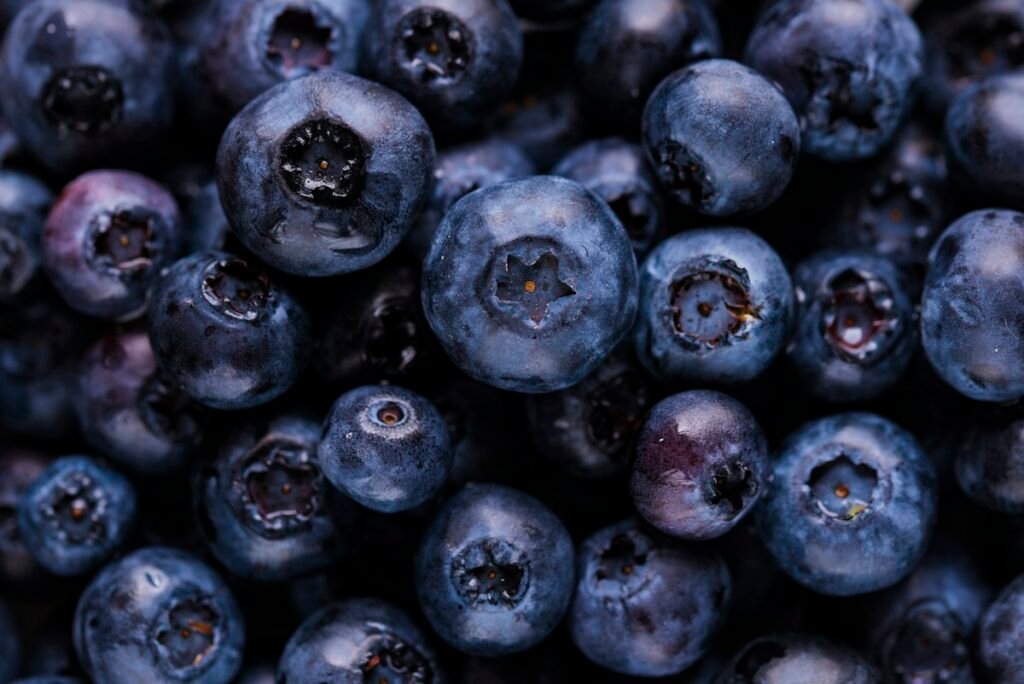
The review found no consistent improvements across metabolic syndrome components. Resveratrol and anthocyanin-rich foods did not show statistically significant primary pooled effects.
The lesson for nutraceutical developers
Mechanistic plausibility and attractive ingredient stories are not substitutes for robust human trials. Standardized formulations, reproducible dosing and transparent endpoint reporting remain essential.
Research source and editorial note
Original study or reporting: Read the source. This independent editorial article is informational and is not medical advice. Early findings should not be interpreted as proof that supplements prevent or treat disease.