
1. Purpose
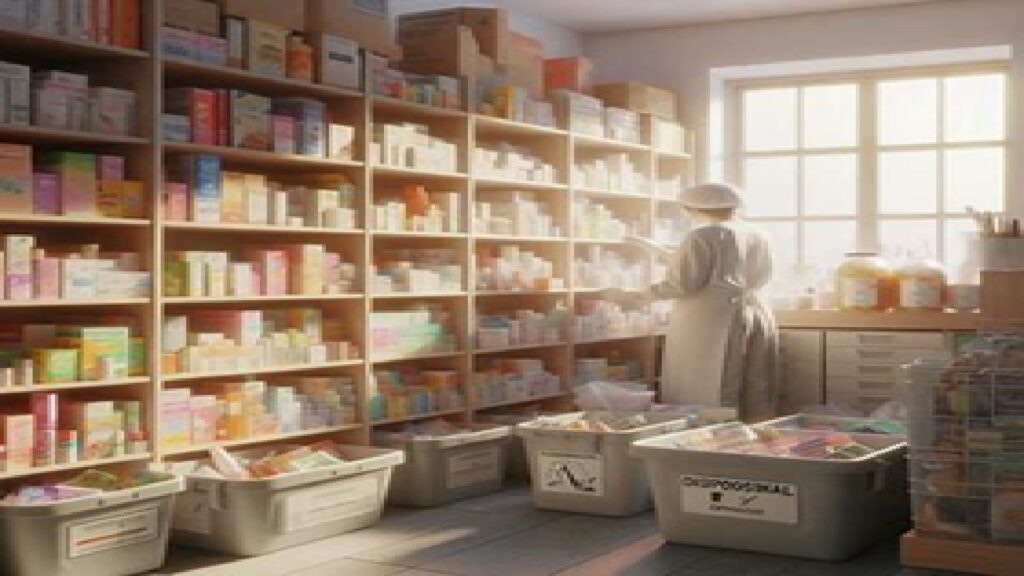
To establish a structured, safe, and compliant procedure for the identification, segregation, documentation, and disposal of expired pharmaceutical products. This SOP ensures that expired materials are handled responsibly to prevent accidental use, environmental contamination, regulatory non-compliance, and risks to public health.
2. Scope
This SOP applies to all expired pharmaceutical products including:
- Finished pharmaceutical products
- Active Pharmaceutical Ingredients (APIs)
- Raw materials and packaging materials
- In-process materials
- Returned or rejected products
It is applicable to all departments involved in material handling, quality assurance, warehousing, and waste disposal.
3. Responsibilities
3.1 Quality Assurance (QA)
- Review and approve disposal requests.
- Verify expiry status and batch records.
- Authorize final disposal activities.
- Ensure compliance with regulatory and environmental requirements.
3.2 Warehouse / Stores Department
- Identify and segregate expired products.
- Label and store expired items in designated quarantine areas.
- Maintain accurate inventory and disposal records.
3.3 Production Department
- Assist in identification of expired in-process materials.
- Ensure expired materials are not used in manufacturing.
3.4 Environmental Health & Safety (EHS)
- Ensure environmentally safe disposal methods.
- Coordinate with authorized waste disposal vendors.
3.5 Disposal Vendor
- Carry out destruction of expired products in accordance with regulatory guidelines.
- Provide certificates of destruction.
4. Definitions
Expired Product:
Any pharmaceutical product, raw material, or packaging material that has exceeded its approved shelf life.
Quarantine Area:
A controlled storage area where expired or rejected materials are isolated to prevent unintended use.
Destruction Certificate:
An official document issued by an authorized disposal agency confirming the safe destruction of products.
5. Procedure
5.1 Identification of Expired Products
- The warehouse team shall review inventory records regularly.
- Materials reaching or exceeding their expiry date shall be identified.
- Expired items must be immediately removed from usable stock.
5.2 Segregation and Labeling
- Expired products shall be transferred to a designated quarantine area.
- Each item must be clearly labeled as:
“EXPIRED – NOT FOR USE”
- Access to the quarantine area shall be restricted to authorized personnel only.
5.3 Documentation of Expired Products
The following details must be recorded:
- Product name
- Batch / Lot number
- Quantity
- Expiry date
- Storage location
- Date of identification
- Responsible personnel signature
All records must be maintained in the Expired Product Register.
5.4 Disposal Authorization
- The warehouse department prepares a Disposal Request Form.
- QA verifies:
- Expiry status
- Batch records
- Inventory reconciliation
- QA provides written authorization for disposal.
5.5 Disposal Method Selection
The disposal method depends on the nature of the product:
| Product Type | Disposal Method |
|---|---|
| Solid dosage forms | Incineration |
| Liquid formulations | Chemical neutralization or incineration |
| Packaging materials | Recycling or shredding |
| Hazardous substances | Approved hazardous waste disposal |
All disposal must comply with local environmental regulations.
5.6 Execution of Disposal
- Expired products are transferred to an authorized disposal vendor.
- Disposal must occur under supervision of QA/EHS personnel.
- Products shall be destroyed through approved methods such as:
- Incineration
- Chemical treatment
- Shredding and landfill (where permitted)
5.7 Certificate of Destruction
After completion of disposal:
- The disposal vendor must issue a Certificate of Destruction.
- QA reviews and archives the certificate.
- Records are maintained for regulatory audits.
5.8 Record Retention
All records related to expired product disposal must be retained according to the document retention policy, typically 5–10 years or as required by regulatory authorities.
6. Safety and Environmental Considerations
- Personnel must wear appropriate PPE (Personal Protective Equipment).
- Hazardous materials must follow EHS disposal procedures.
- Disposal activities must prevent contamination of air, water, and soil.
7. Compliance Requirements
This SOP aligns with:
- Good Manufacturing Practices (GMP)
- Environmental Safety Regulations
- Pharmaceutical Waste Management Guidelines
Strict compliance ensures regulatory readiness and protects public health.
Frequently Asked Questions (FAQ)
1. What is the purpose of expired product disposal in pharmaceuticals?
The purpose is to ensure expired products are safely removed from inventory and destroyed to prevent accidental use and regulatory violations.
2. Who is responsible for approving disposal of expired products?
The Quality Assurance (QA) department is responsible for reviewing and approving disposal.
3. Where should expired products be stored before disposal?
Expired products must be stored in a designated quarantine area.
4. What label should be used for expired products?
Expired items must be labeled “Expired – Not for Use.”
5. How often should inventory be checked for expired products?
Inventory should be reviewed regularly, typically monthly or quarterly.
6. What documents are required for expired product disposal?
Required documents include disposal request forms, expired product register entries, and destruction certificates.
7. What disposal methods are used for expired pharmaceuticals?
Common methods include incineration, chemical neutralization, shredding, and landfill (where permitted).
8. Why is incineration commonly used for pharmaceutical waste?
Incineration ensures complete destruction of active ingredients and prevents environmental contamination.
9. Can expired medicines be recycled?
Only packaging materials may be recycled if permitted by regulations.
10. What is a certificate of destruction?
It is a document issued by the disposal vendor confirming safe destruction of expired products.
11. How long should disposal records be retained?
Typically 5–10 years depending on regulatory requirements.
12. Who supervises the destruction of expired products?
QA or EHS personnel supervise disposal activities.
13. Why is segregation of expired products important?
Segregation prevents accidental use in manufacturing or distribution.
14. Can expired raw materials be reprocessed?
No, expired raw materials cannot be used unless specifically re-evaluated and approved under strict regulatory procedures.
15. What PPE should be used during disposal?
Personnel must wear gloves, masks, protective clothing, and safety goggles.
16. What risks arise from improper disposal of pharmaceuticals?
Improper disposal can cause environmental contamination, regulatory penalties, and health hazards.
17. Are expired products considered hazardous waste?
Some expired pharmaceutical products may be classified as hazardous waste depending on their composition.
18. Can expired medicines be returned to suppliers?
In some cases, expired products may be returned to suppliers based on contractual agreements.
19. Why must expired products be documented?
Documentation ensures traceability, regulatory compliance, and audit readiness.
20. What is the role of EHS in expired product disposal?
EHS ensures environmentally safe disposal and compliance with environmental regulations.
For more articles, Kindly Click here
For pharmaceutical jobs, follow us on LinkedIn
For Editable SOPs in Word format contact us on info@pharmaceuticalcarrier.com
For more information kindly follow us on www.pharmaguidelines.co.uk