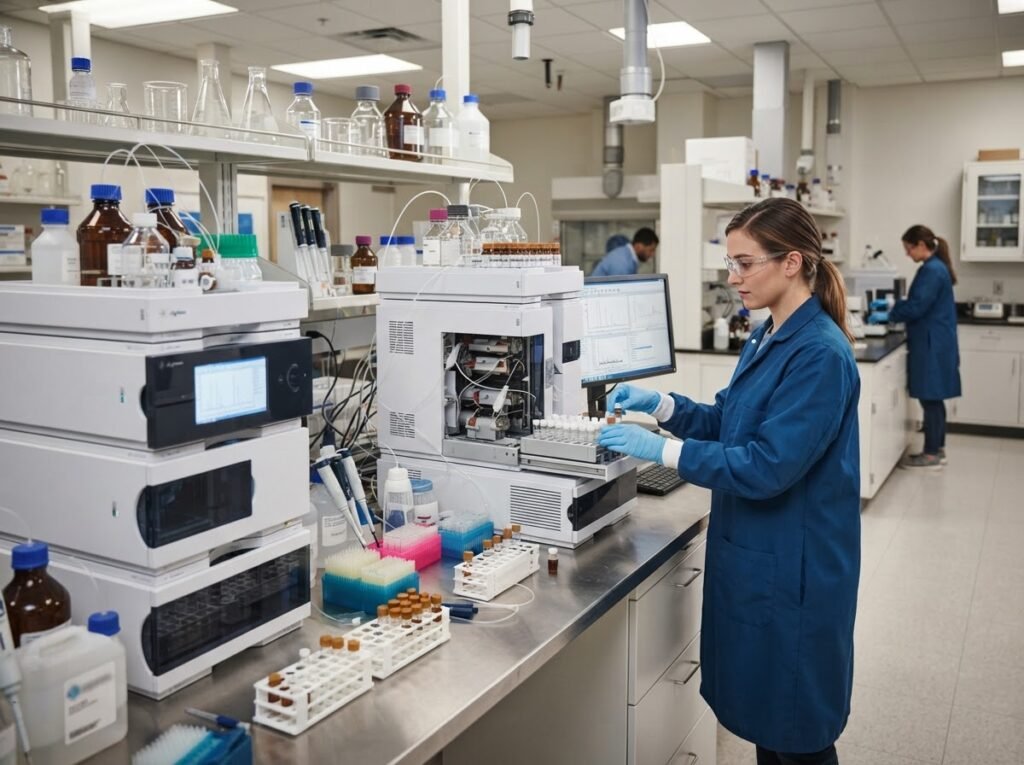
ICH Q14 Analytical Procedure Development: ATP and Robustness is a practical guide for pharmaceutical quality, manufacturing and analytical teams. It explains how to translate ICH Q14 principles into defensible decisions, records and risk-based controls. The examples are educational and must be adapted to approved procedures and market-specific requirements.
Why this topic matters in pharmaceutical GMP
Regulatory expectations depend on a product’s lifecycle stage, intended use, risk profile and applicable region. A useful quality system therefore begins with a defined scientific question, traceable evidence, approved criteria and an effective review process. For analytical target profile, method development, robustness, teams should explain not only what was done, but why the chosen approach was suitable.
Step-by-step implementation approach
- Define scope: identify the product, process, method, equipment or record types covered and the governing procedure.
- Set scientific objectives: Build an analytical target profile and identify method parameters that influence performance.
- Document the protocol: specify responsibilities, sample selection, methods, acceptance criteria, exceptions and required records before execution.
- Execute and review: collect original data, investigate deviations, assess variability and record conclusions against predefined criteria.
- Maintain control: use change management, training, periodic review and trending to ensure the approach remains suitable.
Worked practical example
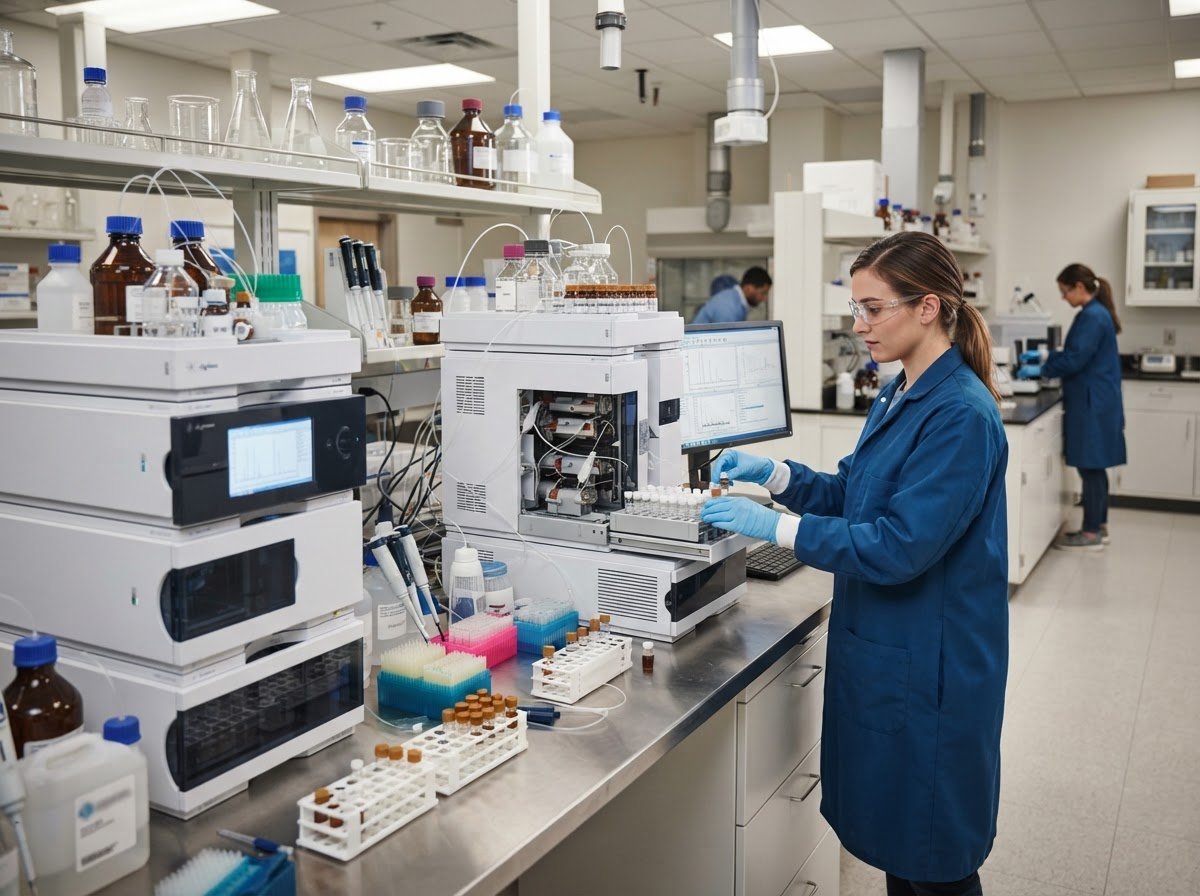
A gradient HPLC separation can be challenged for flow rate, column temperature and mobile-phase composition to understand robustness. The correct outcome depends on the complete evidence package, including the study design, analytical performance, product knowledge and documented quality risk assessment. This illustration is not a universal acceptance limit.
Common mistakes and how to avoid them
- Copying generic limits: justify criteria using the intended purpose and relevant product risks.
- Incomplete records: retain raw data, calculations, audit trails and approvals in a retrievable format.
- Weak investigations: distinguish an observed result from a demonstrated root cause.
- Uncontrolled changes: assess the effect of equipment, suppliers, methods and procedural changes before implementation.
- Overgeneralising guidance: Document development knowledge so future method changes can be evaluated systematically.
QA and QC review checklist
- Are scope and regulatory basis clearly documented?
- Are methods, acceptance criteria and rationale approved before use?
- Are analysts trained and equipment qualified for intended use?
- Are original data and changes traceable?
- Have deviations and atypical findings been evaluated?
- Are conclusions, approvals and follow-up actions recorded?
Frequently asked questions
Is ICH Q14 a substitute for an approved site SOP?
No. Guidance informs a science- and risk-based approach; the site must maintain approved procedures consistent with applicable regulations and marketing authorisations.
How should changes be handled?
Use formal change control to evaluate potential effects on product quality, validated state, data integrity, training and regulatory commitments. The level of work should reflect the risk and available evidence.
Official guidance and further reading
Primary regulatory resource: ICH Q14 and related official guidance. Consult the current guideline text and applicable regional implementation before relying on specific requirements.
Related learning topics include ICH Q2(R2) Analytical Procedure Validation: Core Characteristics HPLC System Suitability: Resolution, Tailing and Precision. Explore the site’s GMP and pharmaceutical quality resources for complementary procedures.