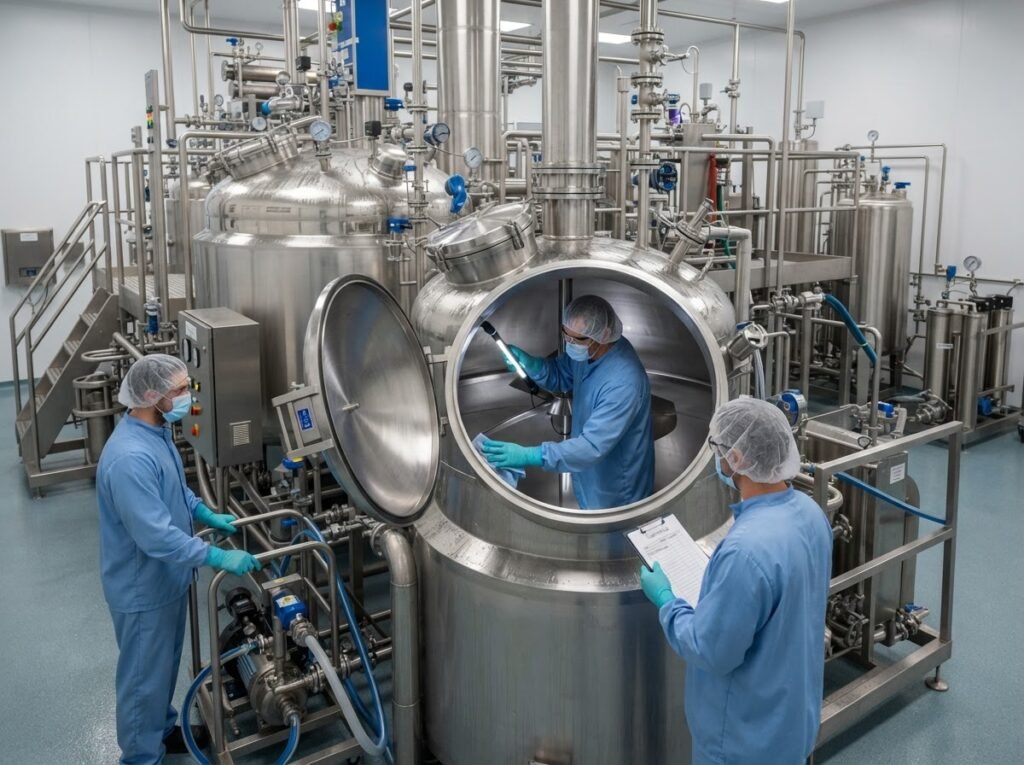
Cleaning Validation in GMP: HBEL and PDE-Based Limits is a practical guide for pharmaceutical quality, manufacturing and analytical teams. It explains how to translate EU GMP Annex 15 principles into defensible decisions, records and risk-based controls. The examples are educational and must be adapted to approved procedures and market-specific requirements.
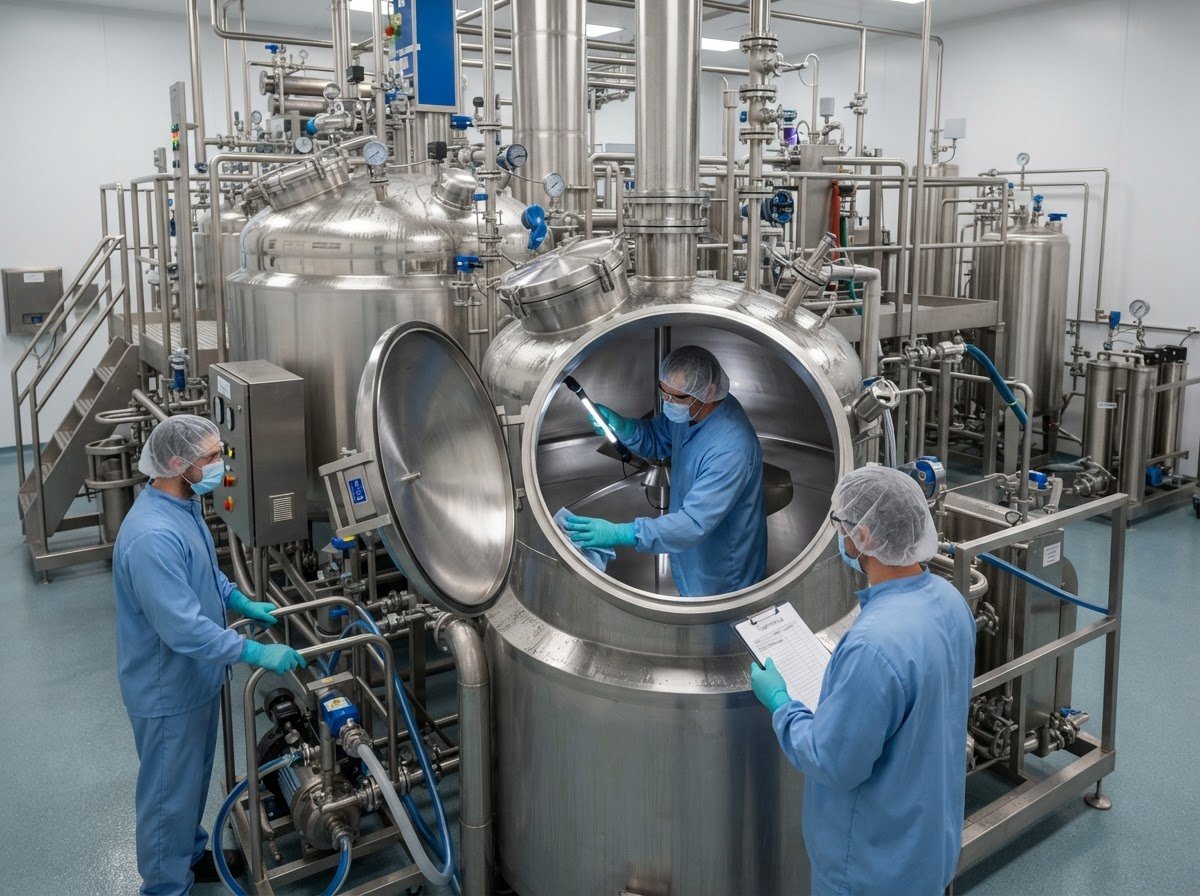
Why this topic matters in pharmaceutical GMP
Regulatory expectations depend on a product’s lifecycle stage, intended use, risk profile and applicable region. A useful quality system therefore begins with a defined scientific question, traceable evidence, approved criteria and an effective review process. For cleaning validation, HBEL, PDE, MACO, teams should explain not only what was done, but why the chosen approach was suitable.
Step-by-step implementation approach
- Define scope: identify the product, process, method, equipment or record types covered and the governing procedure.
- Set scientific objectives: Derive acceptance criteria from scientifically justified health-based exposure limits and relevant manufacturing assumptions.
- Document the protocol: specify responsibilities, sample selection, methods, acceptance criteria, exceptions and required records before execution.
- Execute and review: collect original data, investigate deviations, assess variability and record conclusions against predefined criteria.
- Maintain control: use change management, training, periodic review and trending to ensure the approach remains suitable.
Worked practical example
A highly potent compound may require substantially tighter residue controls than a low-toxicity product. The correct outcome depends on the complete evidence package, including the study design, analytical performance, product knowledge and documented quality risk assessment. This illustration is not a universal acceptance limit.
Common mistakes and how to avoid them
- Copying generic limits: justify criteria using the intended purpose and relevant product risks.
- Incomplete records: retain raw data, calculations, audit trails and approvals in a retrievable format.
- Weak investigations: distinguish an observed result from a demonstrated root cause.
- Uncontrolled changes: assess the effect of equipment, suppliers, methods and procedural changes before implementation.
- Overgeneralising guidance: Do not treat legacy 10-ppm criteria as universally sufficient.
QA and QC review checklist
- Are scope and regulatory basis clearly documented?
- Are methods, acceptance criteria and rationale approved before use?
- Are analysts trained and equipment qualified for intended use?
- Are original data and changes traceable?
- Have deviations and atypical findings been evaluated?
- Are conclusions, approvals and follow-up actions recorded?
Frequently asked questions
Is EU GMP Annex 15 a substitute for an approved site SOP?
No. Guidance informs a science- and risk-based approach; the site must maintain approved procedures consistent with applicable regulations and marketing authorisations.
How should changes be handled?
Use formal change control to evaluate potential effects on product quality, validated state, data integrity, training and regulatory commitments. The level of work should reflect the risk and available evidence.
Official guidance and further reading
Primary regulatory resource: EU GMP Annex 15 and related official guidance. Consult the current guideline text and applicable regional implementation before relying on specific requirements.
Related learning topics include Cleaning Validation Sampling: Swab Versus Rinse Worst-Case Product Selection for Cleaning Validation. Explore the site’s GMP and pharmaceutical quality resources for complementary procedures.