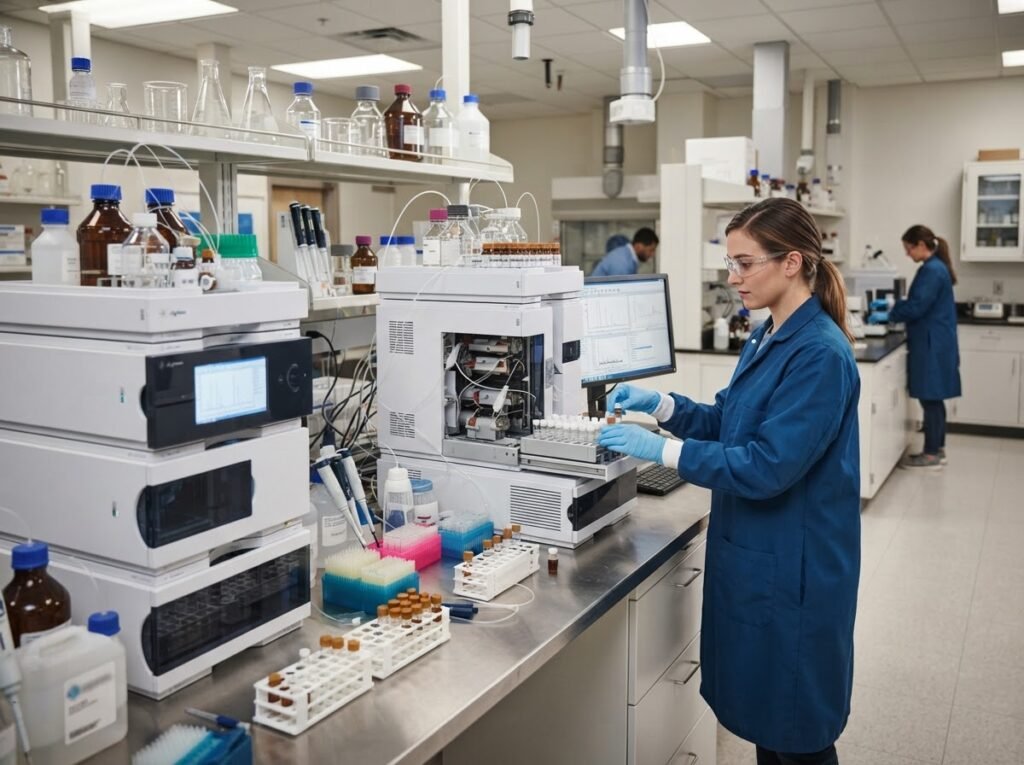
An out-of-specification (OOS) result is a result outside an established specification or acceptance criterion. It is not the same as an out-of-trend result. A scientifically justified investigation must begin promptly, preserve the original result and distinguish a demonstrated laboratory error from a potential manufacturing or product-quality issue.
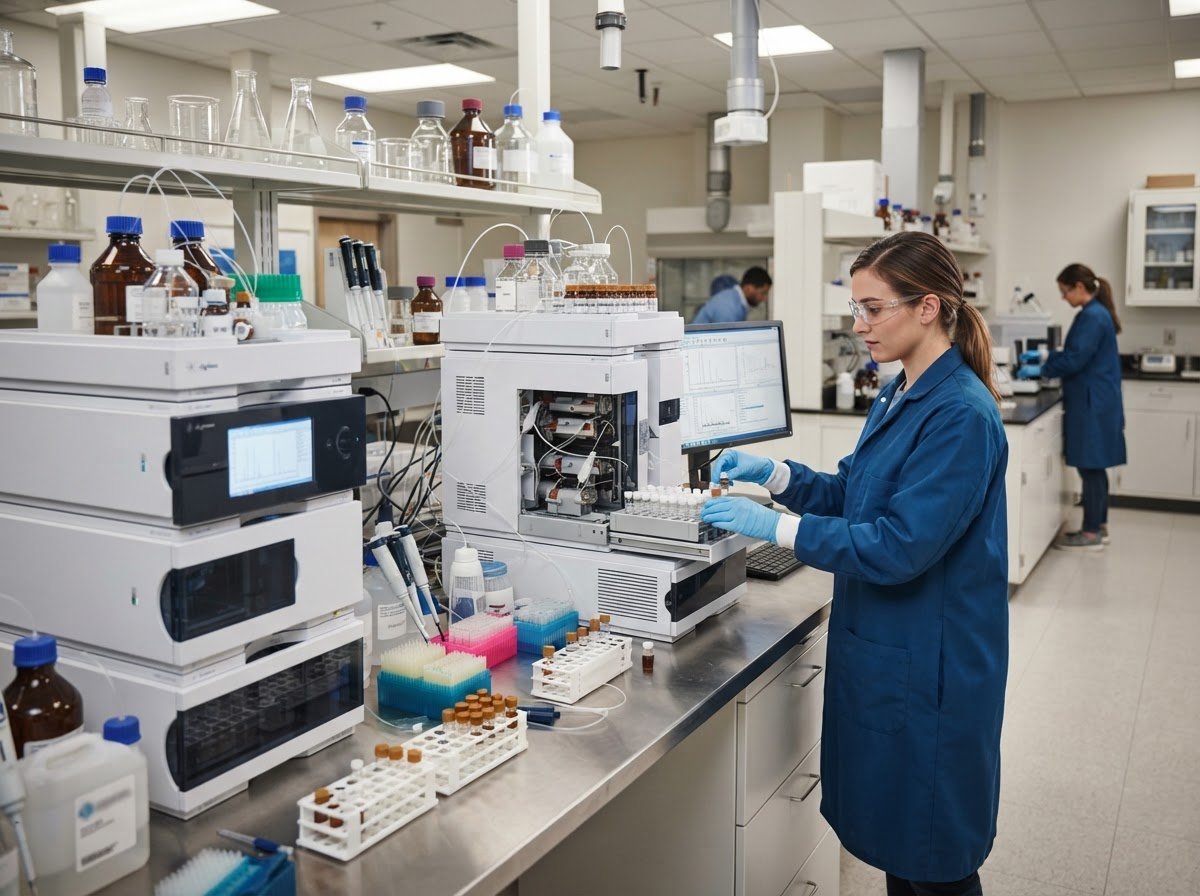
What triggers an OOS investigation?
OOS includes results outside registered, compendial or manufacturer-established specifications and relevant in-process acceptance criteria. An atypical result that remains within specification may require a separate out-of-trend assessment. Follow the applicable quality system; do not wait for an informal repeat test before documenting an OOS.
Phase I: initial laboratory assessment
The analyst should immediately notify the supervisor, retain sample solutions and preparations where stable, and document the circumstances. The supervisor’s timely objective review includes the analytical method, raw data and calculations, chromatograms or spectra, instrument performance, system suitability, standard and reagent preparation, sample weights, dilutions and any unusual laboratory events. Evaluate whether the method was performed as written.
Testing a laboratory-error hypothesis
A hypothesis such as incorrect dilution, wrong standard potency, instrument malfunction or sample-preparation error must be supported by contemporaneous evidence. Additional testing to investigate a specific hypothesis should follow an approved, documented plan. A speculative explanation is not a basis to invalidate the original result.
Retesting versus resampling
Retesting uses part of the original homogeneous sample and may help evaluate analytical variability; resampling obtains a new sample and raises separate representativeness questions. Neither is an automatic substitute for the initial result. Define the number and purpose of any additional tests in advance, obtain appropriate quality approval and document all results.
When to expand beyond the laboratory
If Phase I does not establish an assignable laboratory cause, a broader investigation should evaluate manufacturing records, raw materials, process deviations, equipment, environmental conditions and other potentially affected batches. The quality unit should assess batch disposition and whether related products may be impacted.
Worked example: low assay
A finished-product assay returns 93.8% against an illustrative approved range of 95.0–105.0%. The analyst verifies the calculation and finds that the standard potency was entered as 100.0% instead of its certified 98.5%. Recalculation must be documented and independently reviewed, and the laboratory must establish whether this fully explains the OOS before deciding on invalidation or further investigation. The example limits are hypothetical.
Averaging, outliers and invalidation
Averaging results to hide an individual OOS is not appropriate unless the approved test method and its statistical treatment legitimately define the reportable result. Outlier tests cannot automatically justify discarding data. Preserve the original result and all subsequent results, including invalidated results, with the scientific rationale.
OOS investigation record
Record event chronology, analyst and reviewer statements, sample traceability, original and reprocessed data, method and instrument status, hypothesis testing, manufacturing assessment, quality impact, root cause, CAPA, approvals and batch disposition. Link recurrence trends to the pharmaceutical quality system.
Further reading and primary sources
Educational guidance only. Follow current pharmacopoeial requirements, validated methods and site-approved GMP procedures.