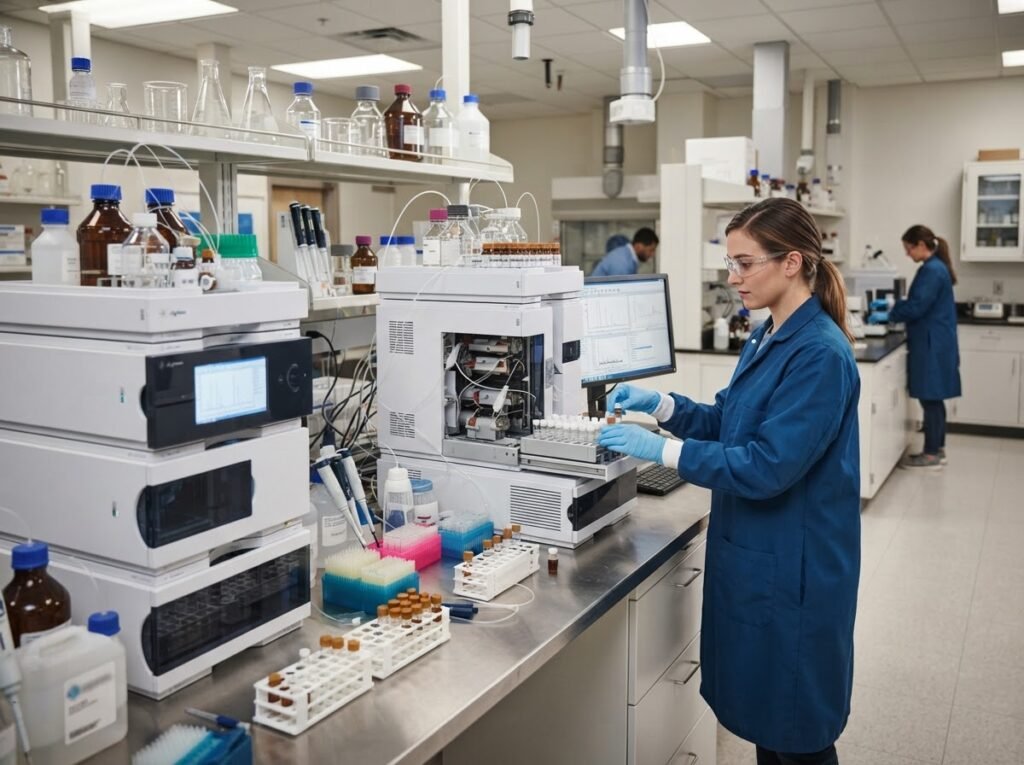
Gradient Delay Volume in HPLC: Impact on Retention and Transfer examines gradient delay volume in pharmaceutical quality control and development. The central question is how to obtain interpretable, reproducible results while protecting data integrity and maintaining a scientifically justified control strategy. The discussion is educational; site-specific procedures and registered commitments take precedence.
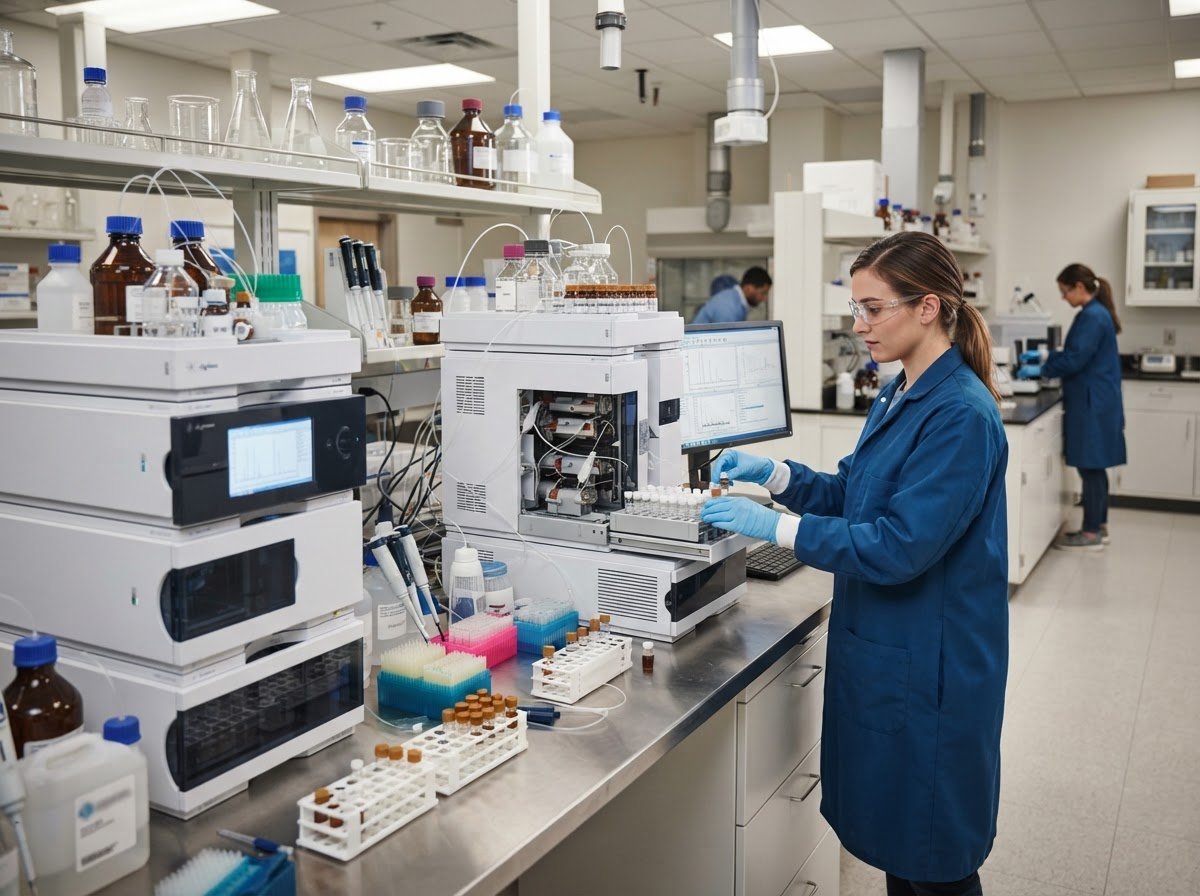
Scientific basis and quality impact
The significance of gradient delay volume depends on the analytical procedure or product, the intended decision, available development knowledge and the consequences of an incorrect result. The first task is to define the performance question clearly. A change in an observed value may reflect true product behaviour, a sampling effect, analytical variability or an uncontrolled procedural difference. These possibilities require different investigations.
Recommended experimental and documentation approach
Compare dwell volume, pump mixing configuration and gradient profiles when transferring a method between instruments. Establish a predefined study plan that specifies representative materials, relevant controls, conditions, acceptance criteria, raw-data handling and approval responsibilities. Select an experimental range that reflects the proposed use rather than assuming that more extreme conditions always produce better evidence.
- Review the approved method, product specification, development history and applicable guidance.
- Identify the variables most likely to affect gradient delay volume and justify the selected challenges.
- Prepare independent controls and samples as appropriate; verify instrument readiness and material traceability.
- Collect and retain original data, metadata, calculations and any scientifically justified processing changes.
- Evaluate trends, variability and deviations against predefined objectives.
- Document conclusions, limitations, follow-up actions and potential regulatory or validation impact.
Worked pharmaceutical example
A delayed gradient reaching the column can shift late-eluting impurity peaks and alter selectivity. The example illustrates why a single passing measurement does not necessarily establish adequate process understanding. A suitable investigation compares the observation with control results and historical evidence, then tests plausible causes without retrospectively changing the acceptance criteria.
Troubleshooting and common errors
Common errors include changing multiple variables simultaneously, neglecting sample preparation effects, failing to investigate unexpected results and applying acceptance limits borrowed from unrelated methods or products. To avoid these issues, record the experimental sequence, maintain a clear distinction between exploratory and validated work, and use documented change control where an approved method or process may be affected.
QA review checklist
- Is the purpose and scope of the work unambiguous?
- Are methods, materials and instrument settings traceable?
- Were study conditions and criteria approved before execution?
- Are raw data, processing steps and deviations retained?
- Is the scientific explanation consistent with all available evidence?
- Have conclusions and any required change controls been approved?
Frequently asked questions
Can one successful experiment establish suitability?
Usually not on its own. Suitability depends on the intended purpose, variability, relevant operating conditions and the evidence required by the approved procedure.
When should a deviation be opened?
Follow the site procedure when execution departs from an approved instruction or when a result triggers a defined investigation threshold. Preserve the original evidence and evaluate potential impact before deciding disposition.
Internal links and official references
For related procedures, read HPLC Method Development and the UK GMP SOP Hub. A complementary technical article is HPLC Mobile Phase pH: Buffer Selection and Method Robustness. Consult the official regulatory guidance collection for current requirements and regional applicability.