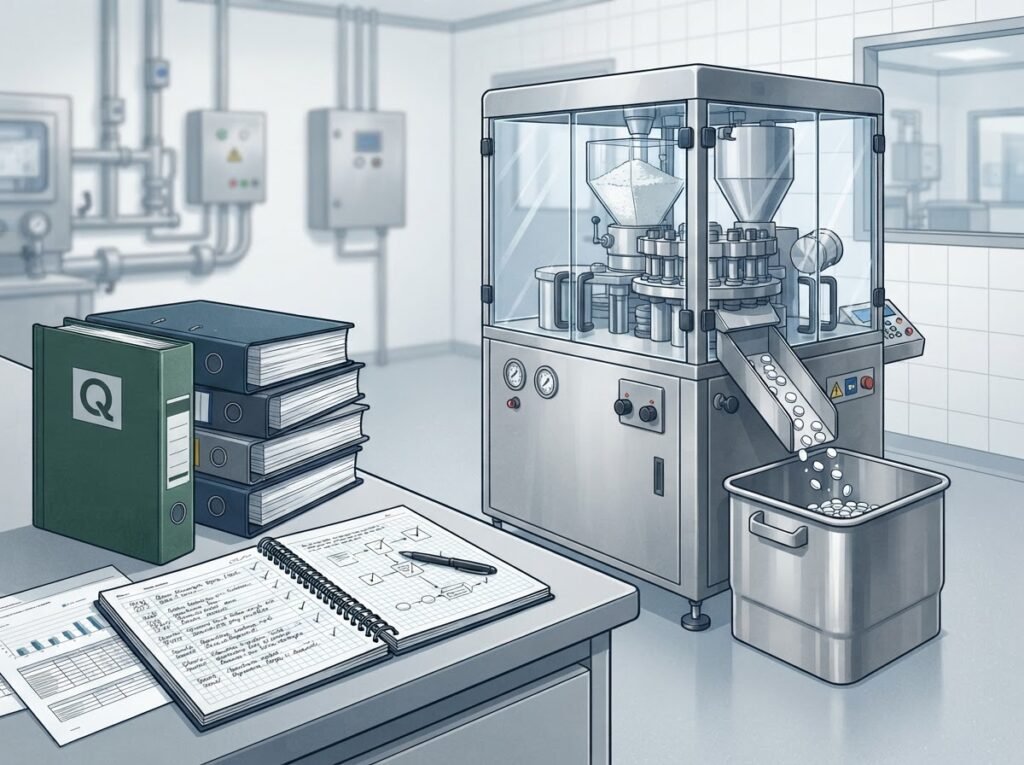
Manufacturing Yield Reconciliation: Theoretical and Actual Yield addresses a practical control challenge in pharmaceutical manufacturing. Yield deviations can indicate process loss, sampling error or documentation gaps. This guide describes the risk, a suitable evidence-based approach and documentation considerations for pharmaceutical operations.
Technical background and GMP significance
Effective controls begin with an understanding of the material, process, system or record being evaluated. The same observation can have different implications depending on product characteristics, patient risk and process history. Site-approved procedures should define responsibilities and escalation thresholds, while the supporting evidence should be scientifically justified and retrievable.
Recommended control strategy
Account for input, output, waste, retained material and sampling losses. Translate that approach into a written plan with defined scope, representative conditions, suitable controls, measurable acceptance criteria and documented review responsibilities. Where historical data are available, use them to distinguish expected variability from unusual performance. Avoid applying a generic limit without evaluating its relevance.
Execution and verification
- Identify the product, equipment, records and process stage in scope.
- Review applicable specifications, risk assessments and approved procedures.
- Confirm equipment status, materials, personnel training and prerequisites.
- Collect representative observations with traceable sample and batch identifiers.
- Assess results against predefined criteria and investigate discrepancies.
- Approve conclusions and define monitoring or effectiveness checks where needed.
Illustrative case study
A low yield after filtration may reflect retained liquid in equipment rather than product degradation. The investigation should test plausible explanations rather than presume a single cause. Compare current observations with previous runs, equipment or supplier history, relevant environmental conditions and any recent changes. Record the initial evidence and justify the final disposition.
Typical failure modes and prevention
Frequent weaknesses include incomplete traceability, insufficient challenge conditions, informal changes, overreliance on a passing result and closure of deviations without evidence of effectiveness. A stronger programme combines defined preventive controls with periodic review of process and quality trends.
QA documentation checklist
- Current approved procedures and scope
- Risk assessment and acceptance criteria
- Batch, equipment and material traceability
- Original results, deviations and investigation evidence
- Impact assessment and justified decisions
- Approval and ongoing monitoring responsibilities
Questions and answers
Can a successful single run establish process control?
Not necessarily. The evidence should be sufficient for the intended use and relevant sources of variability. Qualification, validation and ongoing verification expectations vary with the process and its risks.
How should unexpected results be handled?
Preserve original records, assess potential product impact and follow the approved deviation or investigation process. Do not retrospectively revise criteria merely to obtain a passing result.
Internal links and official guidance
Continue with Process Validation SOP and Quality Agreement With Contract Manufacturers: Roles and Escalation. Consult EU GMP Volume 4 for current regulatory guidance and relevant annexes.