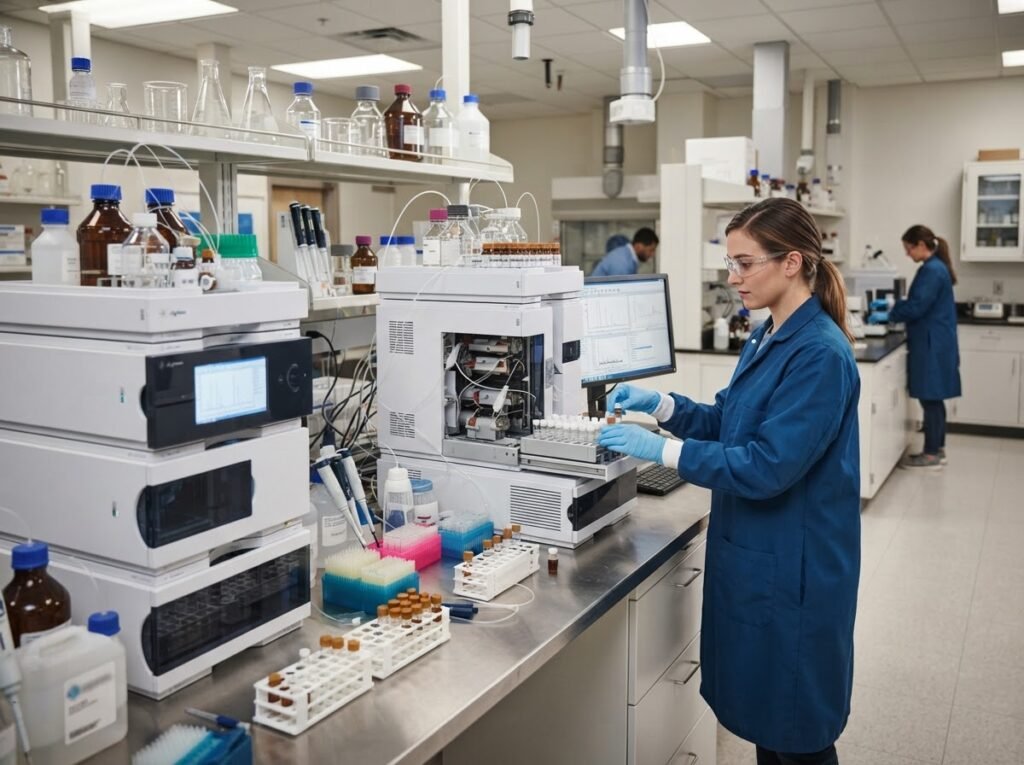
Uncontrolled reagent ageing can affect analytical accuracy. This practical guide to Pharmaceutical QC Reagent Expiry: Preparation, Labelling and Control explains how to establish a defensible approach for pharmaceutical quality assurance and quality control. Requirements must be aligned with the approved procedure, product knowledge and applicable regulations.
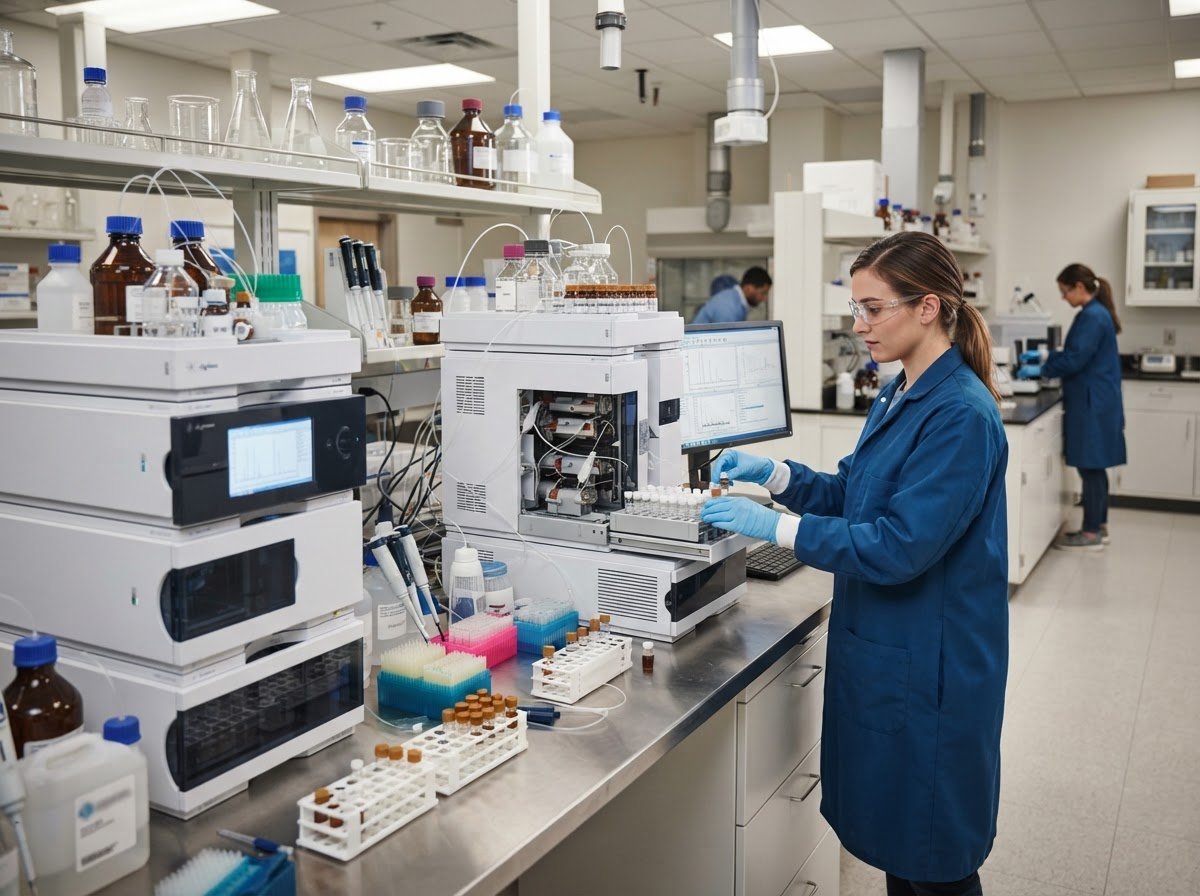
Why this topic matters
GMP decisions depend on reliable evidence, appropriate controls and a clear understanding of uncertainty. Inadequate controls can create inaccurate results, obscure emerging quality risks or compromise traceability. The scope of the activity should therefore be defined before samples are tested, equipment is used or records are reviewed.
Practical implementation
Define preparation records, storage, standardisation where needed and scientifically justified use periods. Start by defining the intended decision, relevant products and materials, applicable approved procedures, acceptance criteria and responsible reviewers. Record the scientific basis for any special conditions or exceptions.
- Confirm scope, critical quality risks and relevant regulatory commitments.
- Verify training, material traceability, equipment suitability and current procedures.
- Execute a documented plan using representative controls and samples.
- Preserve original data, calculations, metadata and contemporaneous observations.
- Review results and trends, investigate anomalies and assess potential impact.
- Approve conclusions and implement any justified change control or CAPA.
Example of a quality investigation
Suppose a laboratory observation is inconsistent with prior performance, although the immediate check does not reveal a clear instrument failure. The investigator should compare the sample history, applicable standards, equipment logs, procedural steps and recent changes. A scientifically sound conclusion distinguishes confirmed causes from hypotheses and explains how the available evidence supports the final decision.
Common errors and corrective controls
Common weaknesses include using an unapproved acceptance criterion, repeating work without documenting the initial observation, failing to assess related records and assuming that a passing result eliminates every quality concern. Controls should be proportionate to risk, reproducible and consistent with approved procedures. Site-specific criteria should never be replaced by generic values taken from an unrelated example.
QA review checklist
- Purpose, scope and applicable procedure are defined
- Personnel, equipment and materials are traceable
- Original observations and calculations are retained
- Predefined criteria and justified exceptions are documented
- Deviations and unexpected results are assessed
- Conclusions, approvals and follow-up are recorded
Frequently asked questions
Can the same acceptance criteria be used for every product?
No. Criteria should reflect the intended use, product risk, validated or qualified performance and applicable compendial or regulatory requirements.
What should be retained after an investigation?
Retain the original data, relevant metadata, review history, scientific rationale, approvals and evidence of any required follow-up according to the record-retention procedure.
Related articles and guidance
Explore HPLC Method Development, the Rounding Analytical Results: Significant Figures and Specification Decisions guide and the GMP SOP Hub. See EU GMP Volume 4 for official regulatory context.