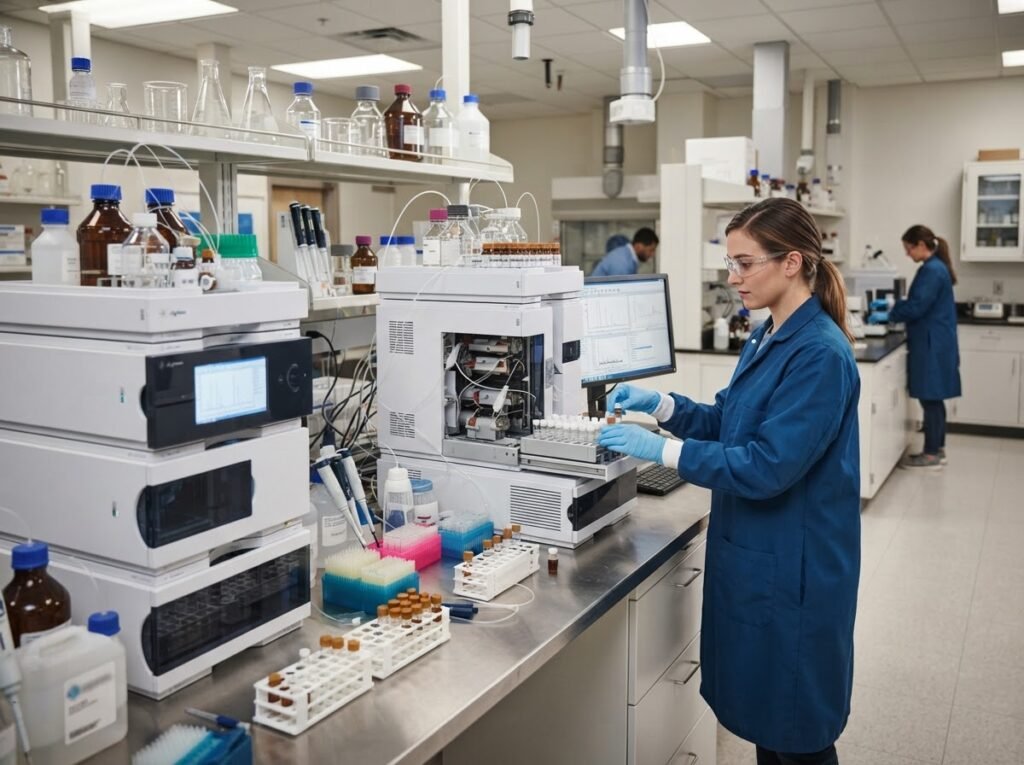
pH Meter Calibration: Buffer Selection, Slope and Electrode Care explains the scientific rationale, practical controls and documentation expected when applying this topic in a pharmaceutical quality system. The specific limits and procedures must be justified for the intended use and approved locally.
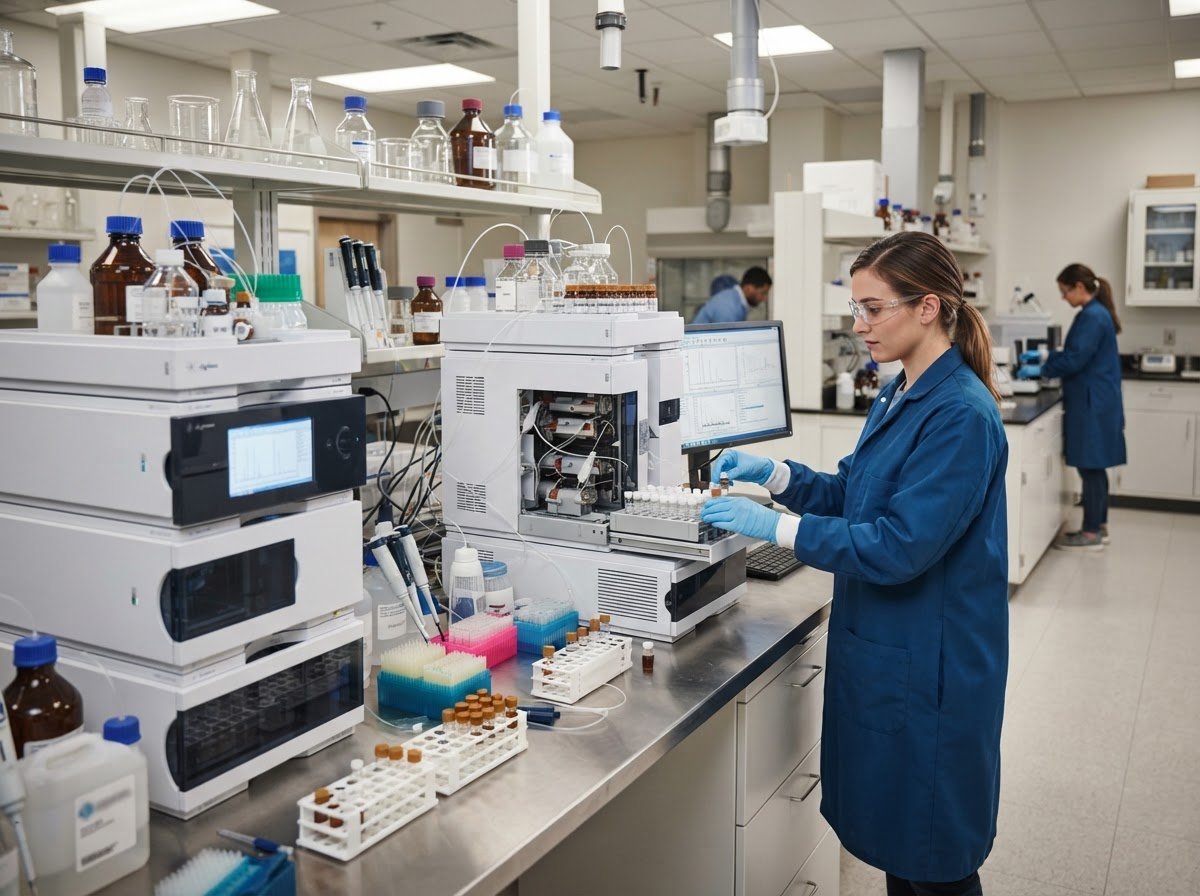
Purpose and technical background
Reliable results require more than an instrument reading or a completed checklist. Sampling, method suitability, operator competency, equipment status, raw data and decision criteria all contribute to confidence in the result. In this area, failures can affect release decisions, investigations and long-term process knowledge.
Recommended procedure and critical controls
Use traceable fresh buffers bracketing the sample pH, document electrode slope and verify response. Before work begins, identify applicable approved methods, equipment status, reference materials, acceptance criteria, responsible personnel and the exact records to retain. Select a representative challenge that is scientifically relevant to the actual operating conditions.
- Confirm instrument or facility readiness and document status.
- Check the suitability and traceability of standards, reagents, media or reference materials as applicable.
- Execute the approved sequence, recording conditions and original observations contemporaneously.
- Assess results against predefined criteria and examine meaningful trends.
- Investigate atypical findings before making a product-quality decision.
- Record approval, follow-up actions and reassessment requirements.
Illustrative GMP example
A sluggish electrode exposed to proteinaceous samples may need cleaning and reconditioning before measurement. A robust response should consider alternative explanations, retain the initial result and document the evidence supporting the final conclusion. Repeating a test without an approved investigation is not a substitute for understanding the original observation.
Troubleshooting and investigation
First verify that the sampling and measurement process was suitable. Then assess equipment condition, environmental factors, material preparation, analyst technique and historical trends. Changes to an approved method or procedure should follow formal change control, including any required qualification or validation work.
Records and QA checklist
- Approved SOP, protocol and applicable revision
- Equipment or facility identification and qualification status
- Reference standards, reagents, materials and sample traceability
- Raw observations, calculations, metadata and audit trails where relevant
- Acceptance criteria, deviations and scientific investigation
- Reviewer approval, conclusions and follow-up actions
Frequently asked questions
Are universal acceptance limits appropriate?
No. Requirements depend on the method, product, equipment, pharmacopoeial chapter and applicable regulation. Adopt limits only with an appropriate scientific and regulatory basis.
What if an unexpected result occurs?
Preserve the original evidence, assess potential quality impact and use the approved deviation or laboratory-investigation procedure. Avoid undocumented retesting or retrospective changes to criteria.
Related reading and references
Read HPLC Method Development, explore the UK GMP SOP Hub and continue with Karl Fischer Moisture Testing: Blank Correction and Drift Control. For regulatory context consult the official regulatory guidance collection and current applicable pharmacopoeial requirements.